
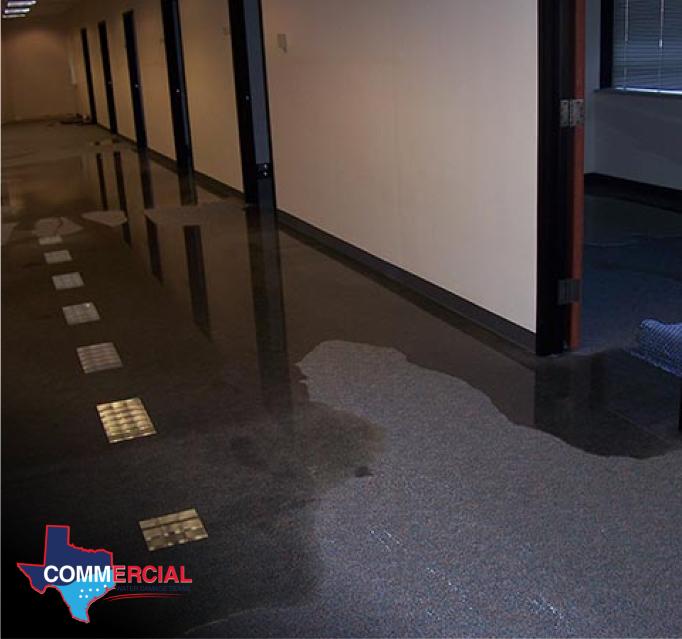
College Station water damage can hit any kind of building. This fast-growing city is home to Texas A&M University, busy retail centers, medical offices, apartment complexes, and restaurants. When a storm floods a parking lot, a pipe bursts in a student housing building, or a roof leaks above a shop, owners need help fast. Every hour counts, especially during the school year and on game weekends. This guide explains what College Station building owners should know about commercial water damage and how to recover quickly.
It covers owners in nearby Bryan and the wider Brazos Valley as well.
Why College Station Is Unique
College Station has a mix of property types and busy seasons. During the fall, home football games bring huge crowds to town. Hotels, restaurants, and shops fill up. Meanwhile, student housing is full for most of the year. So any water damage during these peaks can cost a lot of money. In addition, the area is growing, with many new buildings and older ones side by side. Each has its own risks.
Common Causes of College Station Water Damage
Local owners face several common threats:
- Heavy rain and flash flooding from spring and fall storms
- Tropical systems that bring days of rain inland from the Gulf
- Frozen pipes during rare hard freezes
- Roof leaks after hail and high winds
- Plumbing failures in older buildings
- Sprinkler leaks in apartments and offices
Knowing these risks helps you plan.
Weather Patterns in the Brazos Valley
The Brazos Valley sees strong storms, especially in spring. Heavy rain can overwhelm drains and low areas quickly. Tropical storms and hurricanes can also bring rain far inland. So watch forecasts from the National Weather Service Houston/Galveston office, which covers Brazos County.
First Steps After College Station Water Damage
Speed and safety come first. Close the nearest valve if you can reach it. Cut power to any wet room. Clear people from the area. Once everyone is safe, phone your restorer and your carrier. Snap pictures of each wet room, too. Good photos make the claim much easier.

College Station Water Damage in Student Housing
Student housing buildings face special challenges. A leak on an upper floor can affect many units below. Residents need safe places to stay. Parents may call with questions. So property managers should have a clear plan. For example, keep spare units ready for moves. Send updates to residents by text and email. In addition, work with a restoration team that can handle many units at once.
Retail and Restaurant Properties
Shops and restaurants lose money every hour they are closed. So speed matters. Restaurants must throw out food touched by water. They may also need a health inspection before reopening. Retail stores may need to replace stock and fixtures. A fast response keeps these losses smaller.
Offices and Medical Buildings
Offices and clinics hold computers, files, and costly equipment. Water can ruin all of it. So move dry items away from wet areas quickly. Do not turn on wet electronics. In medical offices, crews must use containment to protect patients. Ask your restoration team about infection control.
The College Station Water Damage Restoration Process
Most College Station water damage jobs follow these steps:
- Inspect the damage and find the source
- Remove standing water with pumps and extractors
- Test walls and floors for hidden moisture
- Remove materials that cannot be saved
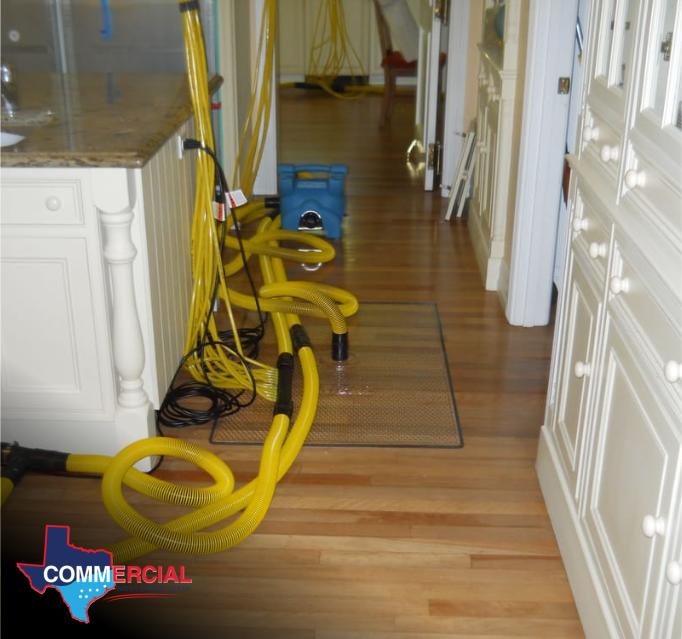
- Dry the structure with air movers and dehumidifiers
- Clean and sanitize surfaces
- Rebuild walls, floors, and finishes
Each step builds on the one before it.
How Fast Should Help Arrive?
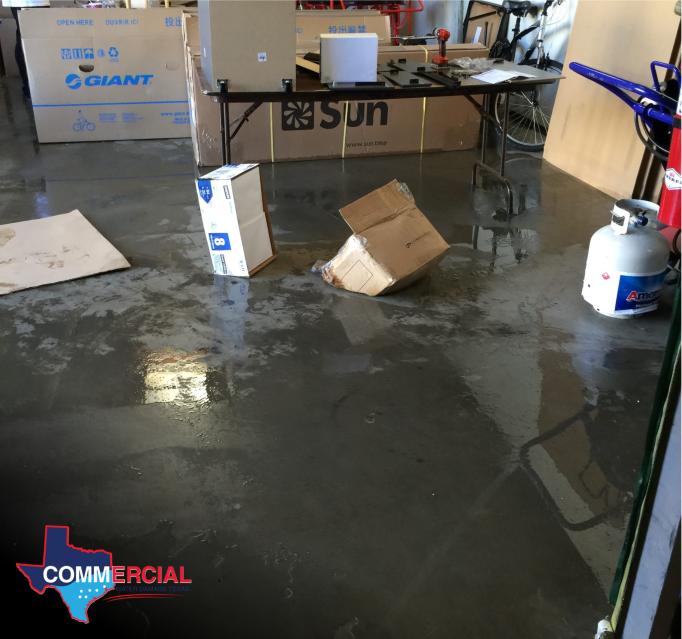
Mold can grow in two days or less in Texas heat. So choose a team that can arrive quickly, day or night. Ask how long it takes them to reach College Station. Local or nearby crews often arrive faster than teams coming from Houston or Austin. Quick arrival means less damage.
Game Weekends and Busy Seasons
Game weekends make everything harder. Traffic slows crews. Hotels fill up, leaving few rooms for displaced tenants. In addition, businesses want to stay open for the crowds. So plan ahead for damage during these times. For example, line up your restoration partner before the season starts. Keep equipment needs and access routes in your plan.
College Station Water Damage and Insurance
A typical business policy pays for sudden leaks, like a split supply line. However, rising water from outside usually falls under flood coverage instead. So sit down with your agent once a year. Keep records of all damage and repairs. Photos, moisture logs, and invoices support your claim. In addition, track lost income if you must close.
Helping Tenants and Residents Through Repairs
People in your building will have questions. When can they return? Is the air safe? Who pays for damaged items? So name one contact for all questions. Post a short notice in the lobby and send it by email. In addition, remind tenants to call their own insurers for personal property. Calm, steady updates reduce stress for everyone.
Drying in Humid Brazos Valley Weather
Summer air here is hot and sticky. That slows drying. Open windows can actually add moisture to a building. For that reason, crews keep doors closed and run strong dehumidifiers. They also check readings each day. If drying stalls, they add more equipment. Patience at this stage prevents mold and repeat repairs.
Preventing Future Damage
Prevention costs less than repairs. Simple steps include:
- Clean gutters and roof drains before storm season
- Inspect roofs after hail and high winds
- Insulate pipes before winter
- Install leak sensors in mechanical rooms
- Check sprinkler systems on schedule
College Station Water Damage in Older Buildings
Some buildings near the campus and in older parts of Bryan date back decades. Their pipes may be galvanized steel or cast iron. These pipes rust from the inside. As a result, leaks and clogs become more common with age. Roofs on older buildings may also be near the end of their life. So schedule regular plumbing and roof checks. Early repairs prevent bigger College Station water damage later.
Working With Local Officials
Major repairs may need a city permit. Both College Station and Bryan have building departments that review plans and inspect work. In addition, fire officials may need to approve sprinkler repairs. So ask your contractor which permits apply. Starting this early avoids delays at the end of the job.
Choosing a College Station Water Damage Partner
Look for a company with commercial experience, 24/7 service, and certified technicians. Ask for local references. Check that they carry the right insurance. In addition, ask whether they handle both drying and rebuilding. One team from start to finish makes the job simpler.
Common Mistakes to Avoid
- Waiting to call for help
- Turning on wet electronics
- Skipping moisture testing
- Ignoring flood insurance gaps
- Not having a plan for busy seasons
FAQ on College Station Water Damage
How quickly should I respond to College Station water damage?
Right away. Mold can begin in a day or two in warm weather.
Does insurance cover flood damage?
Not always. Many policies need a separate flood plan.
Can student housing residents stay during repairs?
Sometimes, if their unit is dry and safe. Others may need to move for a short time.
Get Help in College Station
Fast action protects your building. Visit our Texas water damage page, or reach our local crew now.
