

Emergency water damage restoration starts the moment you pick up the phone. What you say in that call shapes everything that follows. If you share clear details, the crew arrives with the right equipment and the right team. If you leave out key facts, they may need a second trip. Meanwhile, the water keeps moving. So it pays to know what to say before you dial. This guide explains what to include in your first call, what to ask, and what to do while help is on the way.
Owners and managers of Texas offices, stores, warehouses, clinics, and apartment buildings will find a simple checklist here.
Why the First Call Matters
Water damage gets worse by the hour. Drywall soaks up water. Carpet pads hold it. Mold can begin within a day or two in warm Texas weather. As a result, a fast and accurate first call saves money. It helps the crew plan, load the right gear, and send enough people. In addition, it starts a record for your insurance claim.
Information to Share on the First Call
Have these details ready before you call:
- Your name and phone number, plus a backup contact
- The property address and the best entrance for crews
- What happened, such as a burst pipe, roof leak, flood, or sprinkler discharge
- When it started and whether the water is still flowing
- The type of water: clean, gray, or dirty
- How large the area is, in rooms, floors, or square feet
- What got wet: carpet, tile, drywall, ceilings, equipment, or stock
- Any safety concerns, such as power, gas, or structural damage
- Your insurance company and policy number, if you have them
Each detail helps the team prepare.
Describe the Source of the Water
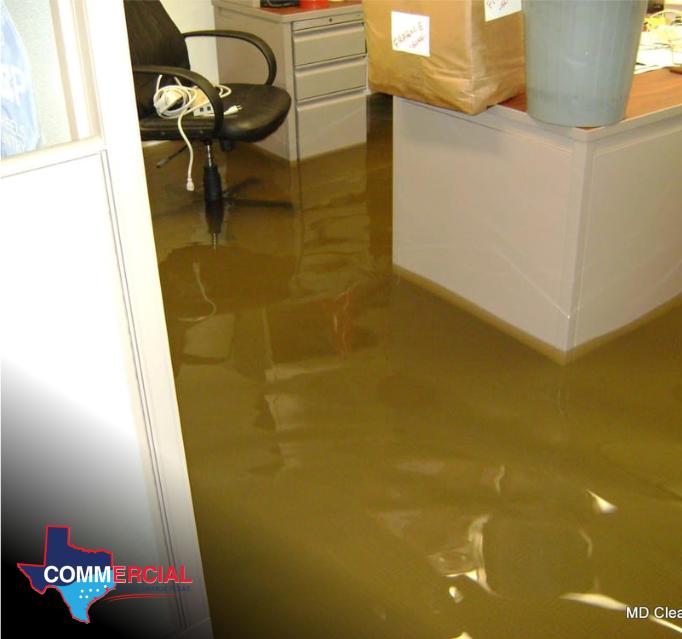
The source matters a great deal. A broken supply line is usually clean water. A dishwasher or sink drain may be gray water. Floodwater and sewage are dirty water. Each type needs a different plan. For example, dirty water calls for protective gear and more cleanup. So tell the crew exactly where the water came from.
Emergency Water Damage Restoration and Safety
Safety comes first. Tell the crew if water touches electrical panels, outlets, or equipment. Mention any sagging ceilings or soft floors. Also share whether people are still in the building. If there is a risk of shock or collapse, leave the area right away. Then call the fire department if needed.
Questions to Ask the Restoration Company
The first call is also your chance to vet the company. Ask these questions:
- When will your crew arrive?
- Are your technicians certified?
- Do you work on commercial properties of this size?
- Will you work with my insurance company?
- Do you handle both drying and rebuilding?
- Will one project manager be my contact?
Clear answers build trust.
Emergency Water Damage Restoration Arrival Times
Ask for a realistic arrival window. Many firms promise to arrive within one to two hours in their main service areas. However, after big storms, demand can spike. In those cases, companies with priority service agreements may help their clients first. So consider setting up an agreement before you need it.
What to Do While You Wait
Several steps can limit damage before the crew arrives:
- Shut off the water at the main valve or fixture
- Turn off power to wet areas, if safe
- Move people away from the wet zone
- Lift small items, files, and electronics off the floor
- Take photos and videos of all damage
- Open doors to dry rooms to let air flow, unless it is humid outside
Avoid using household vacuums on standing water, since they are not built for it.
What Not to Do
Some actions make things worse. For example, do not turn on wet electronics. Do not walk into rooms with standing water and live power. Do not use fans that blow dirty water around. In addition, avoid throwing away damaged items before they are documented. Your insurer may want to see them.
Emergency Water Damage Restoration and Insurance
Call your insurer soon after you call the restoration company. Report the date, time, and cause of the loss. Ask about your deductible and coverage. Many restoration firms can work directly with your adjuster. In addition, keep every photo, invoice, and report. These records support your claim.
What Happens When the Crew Arrives
The team will usually start with a quick walk-through. They check for hazards, find the source, and test for moisture. Next, they explain their plan and get your approval. Then they begin water removal, set up drying equipment, and protect contents. Finally, they return each day to check progress.
Emergency Water Damage Restoration for Large Properties
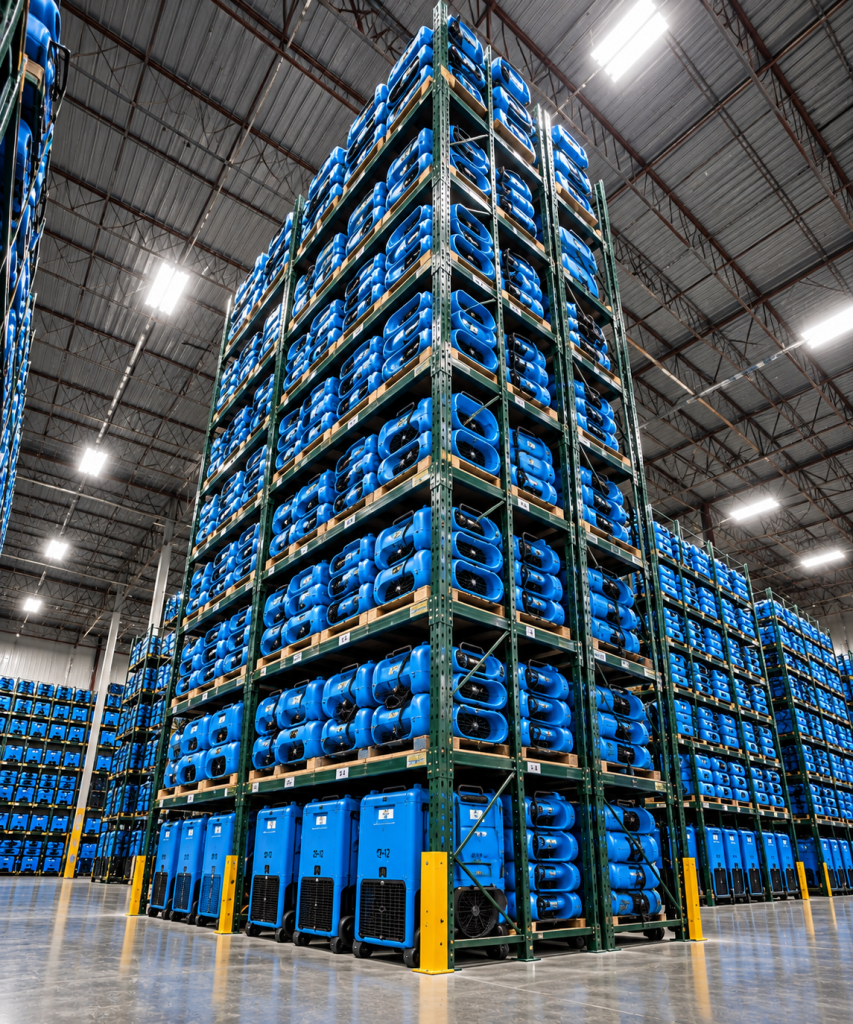
Large buildings need more planning. A leak on one floor may affect several below it. Multi-tenant buildings have many people to inform. So share building maps, contact lists, and access details on the first call. In addition, ask whether the company has enough equipment and staff for a large job.
Emergency Water Damage Restoration After Hours
Leaks often start at night or on weekends, when no one is in the building. Alarms or security staff may be the first to notice. So make sure night guards and alarm companies know who to call. Give them the restorer’s number and your own. In addition, keep a key or access code where the crew can reach it. Fast access lets emergency water damage restoration start right away.
Emergency Water Damage Restoration Costs
Many owners worry about cost during the first call. That is normal. Ask how the company bills, such as by the hour, by the square foot, or by equipment per day. Also ask whether they bill your insurer directly. In most cases, emergency water damage restoration for a covered loss is paid by the policy, minus your deductible. Clear answers up front avoid surprises.
Build a First-Call Checklist Now
Do not wait for a leak to plan your call. Instead, write a one-page checklist now. Include your restoration company’s number, your insurance details, shutoff locations, and building maps. Then post it in your engineering office and front desk. When water hits, anyone can make a clear first call.
Texas Weather and Emergency Readiness
Texas weather can change fast. Hurricanes, flash floods, freezes, and hail all lead to water damage. So check your plan before each storm season. The Ready.gov business toolkit offers free planning tools for companies of every size.
Common Mistakes to Avoid
- Calling without knowing where the shutoff is
- Leaving out details about water type or size
- Forgetting to mention safety hazards
- Waiting to call the insurer
- Throwing out items before photos are taken
FAQ on Emergency Water Damage Restoration
What should I say first when I call for emergency water damage restoration?
Give your name, address, the source of the water, and whether it is still flowing.
Should I call my insurer or the restorer first?
Call the restorer first to stop damage, then call your insurer soon after.
Can I start cleanup myself?
You can take safe steps like shutting off water and moving small items. Leave the rest to trained crews.
Make the Right Call
A clear first call speeds up recovery. Visit our 24/7 emergency services page, or call our team now.
