
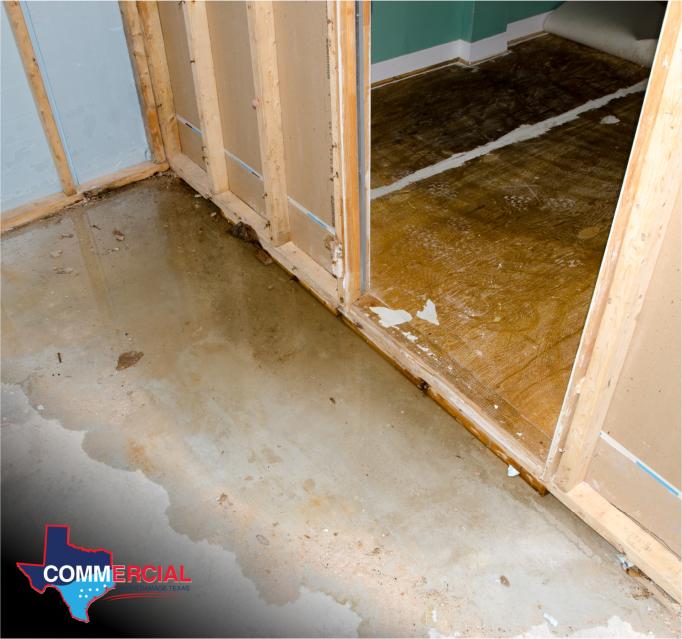
Commercial plumbing leak damage rarely stays small. A cracked supply line, a failed water heater, or a broken drain pipe can soak floors, walls, and ceilings before anyone notices. In a busy building, the leak may hide behind a wall for weeks. When it finally shows, three jobs need to happen in the right order. First, a plumber fixes the pipe. Next, a restoration team dries the building. Finally, a crew rebuilds what was removed. If these jobs overlap badly, the repair takes longer and costs more. This guide explains how Texas owners can keep all three on track.
Facility managers and owners of offices, stores, clinics, and warehouses will find a simple sequence here.
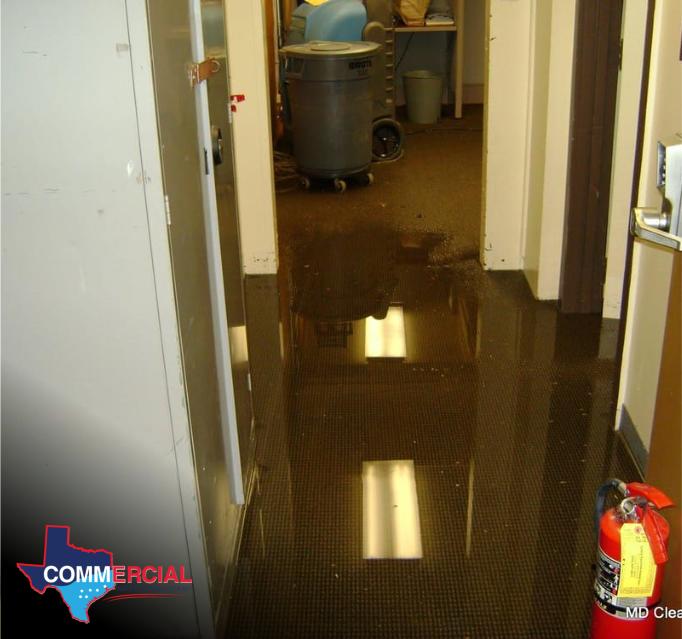
Common Causes of Plumbing Leaks
Leaks start in many places. Typical sources include:
- Old copper or galvanized pipes that corrode over time
- Loose fittings under sinks and behind toilets
- Failed water heater tanks and valves
- Ice maker and coffee machine lines in break rooms
- Frozen pipes after a Texas cold snap
- Clogged or cracked drain lines
- Slab leaks under the foundation
Some leaks are sudden. Others drip for months before anyone finds them.
Signs of Hidden Commercial Plumbing Leak Damage
Watch for early warning signs. Stains on ceiling tiles often point to a leak above. Bubbling paint or soft drywall may mean water inside the wall. A musty smell can signal mold. In addition, a high water bill with no clear cause may mean a hidden leak. So train staff to report these signs right away. Early reports keep commercial plumbing leak damage smaller.
Step 1: Stop the Water
First, shut off the water. Most buildings have a main shutoff valve. Many fixtures also have local valves. Know where both are before you need them. If water reaches electrical panels or outlets, turn off power to that area as well. Then move people and valuables away from wet zones.
Step 2: Call a Licensed Plumber
In Texas, plumbers must hold a state license. The Texas State Board of Plumbing Examiners licenses and regulates them. A licensed plumber will find the source, repair the pipe, and test the line. Ask for a written report that names the cause. This report helps your insurance claim.
Step 3: Start Drying Right Away
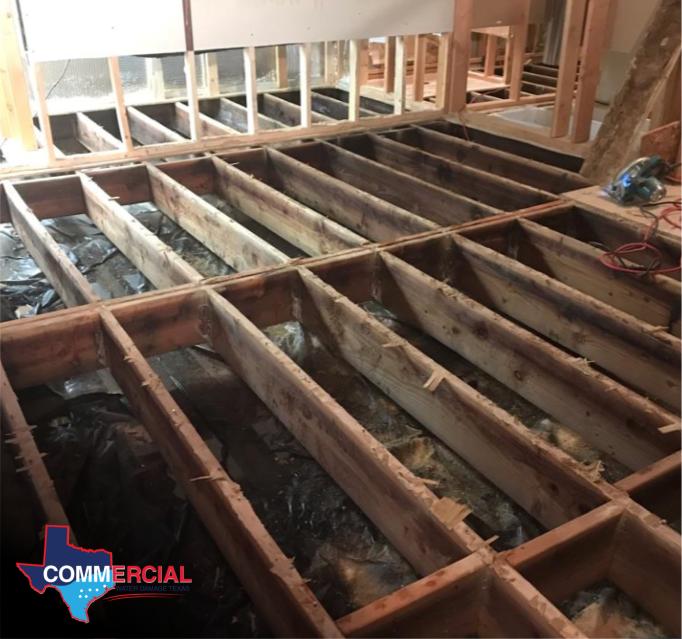
Do not wait for the plumber to finish before you call a restoration team. Instead, call both at once. While the plumber works, the restoration crew can begin removing standing water. They can also pull wet ceiling tiles, carpet pad, and baseboards. This saves a full day or more. Speed matters, because mold can begin to grow within two days in warm, humid weather.
Commercial Plumbing Leak Damage and Access
Plumbers often need to open walls or ceilings to reach a pipe. Restoration crews may also need to open them for drying. So plan these openings together. For example, one larger opening may serve both teams. As a result, you avoid cutting the same wall twice. Talk with both teams at the start about where to cut.
Moisture Testing and Mapping
Water moves far from the leak. It runs along pipes, soaks up into drywall, and spreads under flooring. So technicians test with meters and thermal cameras. Then they draw a moisture map. This map shows exactly where water went. It also guides where to place drying equipment.
Drying Commercial Plumbing Leak Damage
After the map is done, the team places fans and dehumidifiers. They may drill small holes in walls to dry the cavity. In some cases, they lift a few floor planks to reach the subfloor. Technicians return every day to check readings and adjust equipment. In most cases, drying wraps up within a week. However, thick materials and slabs may take longer.
Clean Water vs. Dirty Water
The type of water changes the job. A supply line leak is usually clean water. In contrast, a drain line or toilet leak may carry germs. If dirty water is involved, crews remove more materials and sanitize every surface. Also, wet items touched by dirty water often cannot be saved.
Step 4: Reconstruction
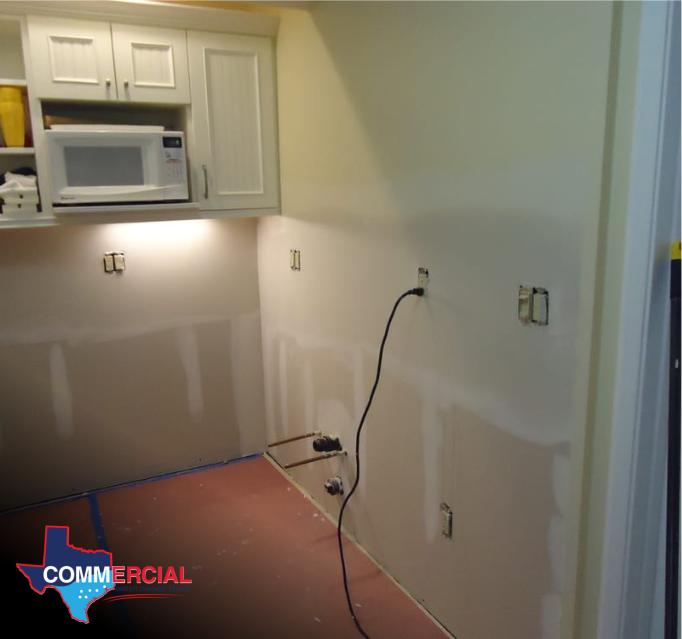
Once drying is done, rebuilding starts. New drywall, insulation, and flooring go in first. Then crews tape, texture, and paint. Cabinets and fixtures go back in. Finally, the space is cleaned and ready for use. Many restoration firms handle the rebuild themselves. This keeps one team in charge from start to finish.
Coordinating Commercial Plumbing Leak Damage Repairs
Good coordination prevents delays. Here are a few tips:
- Name one person to manage all trades
- Hold a short kickoff meeting with the plumber and restorer
- Share photos and reports between teams
- Do not close walls until drying goals are met
- Schedule inspections for any permitted plumbing work
Commercial Plumbing Leak Damage in Multi-Story Buildings
Height adds risk. A leak on the fifth floor can travel down to the first. Water follows pipes, shafts, and gaps around wiring. So crews check every floor below the source. They also look inside elevator pits and stairwells. In addition, tenants on lower floors need fast updates. Commercial plumbing leak damage in a tall building often touches more suites than anyone expects.
Slab Leaks in Texas Buildings
Many Texas buildings sit on concrete slabs. Pipes under the slab can crack as soil shifts. Clay soils in North and Central Texas swell and shrink with rain and drought. As a result, slab leaks are common. Signs include warm spots on the floor, cracks, and wet carpet with no visible source. Plumbers use special tools to find these leaks. Repairs may mean tunneling under the slab or rerouting the line.
Insurance for Commercial Plumbing Leak Damage
Most commercial policies cover sudden leaks, such as a burst pipe. However, they may exclude damage from slow leaks that went on for a long time. So report leaks quickly. Keep the plumber’s report, photos, moisture logs, and invoices. In addition, note any lost business time. These records help your claim move forward.
Preventing Future Leaks
Prevention saves money and stress. So follow a simple plan:
- Inspect visible pipes and supply lines every few months
- Replace old hoses on ice makers and dishwashers
- Install leak sensors in break rooms and mechanical rooms
- Insulate pipes in unheated spaces before winter
- Consider automatic shutoff valves
These steps catch problems early.
Costs of Waiting Too Long
Small leaks grow into big bills. A pipe that drips for a month can rot framing and grow mold. A burst line left running overnight can flood several suites. So act fast every time. Early repair keeps both the plumbing bill and the restoration bill smaller.
Common Mistakes to Avoid
- Waiting for the plumber before calling a restorer
- Closing walls before materials are dry
- Using unlicensed plumbers
- Ignoring small stains and smells
- Failing to document the cause
FAQ on Commercial Plumbing Leak Damage
Who should I call first?
Call both a licensed plumber and a restoration team at the same time.
How long does drying take after a leak?
Usually under a week, depending on materials and how far the water spread.
Is commercial plumbing leak damage covered by insurance?
Sudden leaks usually are. Slow, long-term leaks may not be.
Fix It Fast and Right
Quick teamwork limits damage. Visit our water damage repair page, or book a leak response today.
