
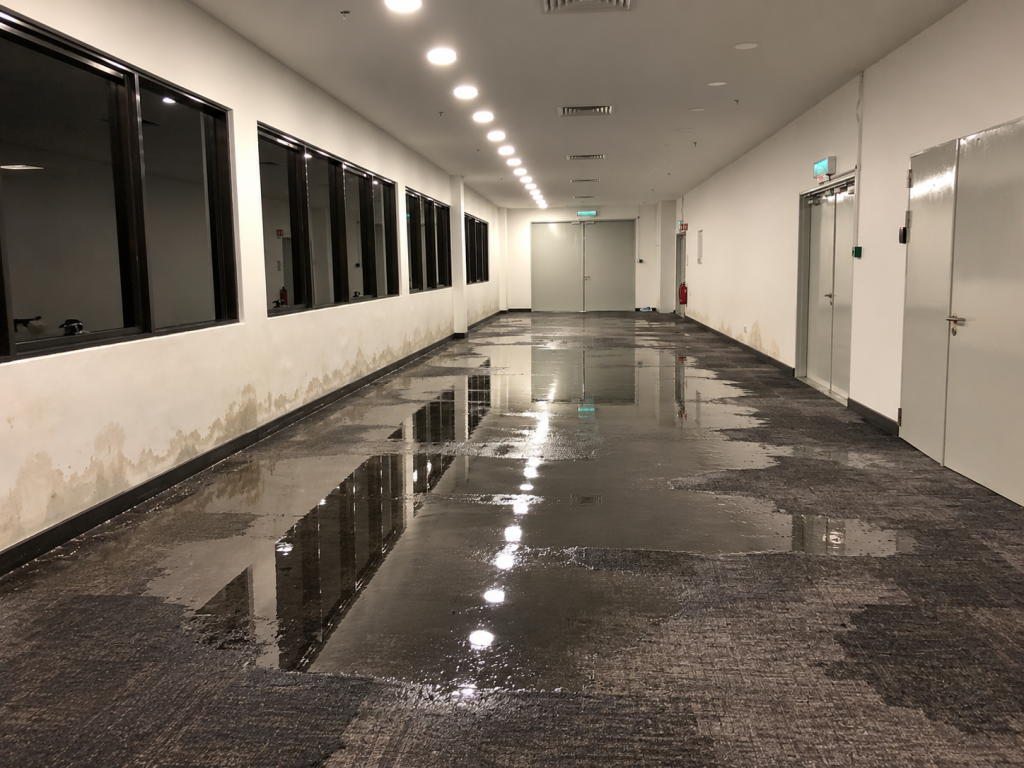
Medical center water damage creates challenges that ordinary offices never face. Near the Texas Medical Center in Houston, the largest medical complex in the world, hospitals, clinics, labs, and medical office buildings serve patients around the clock. When a pipe bursts, a roof leaks, or a storm floods a lower level, care cannot simply stop. Patients may be vulnerable, equipment is sensitive, and infection control is critical. So restoration must be planned around healthcare operations from the very first hour. This guide explains how.
Facility directors, medical office managers, and property teams in and around the Texas Medical Center can use it to prepare and respond.

Why Healthcare Spaces Need Special Care
Healthcare buildings are full of people who may be sick or fragile. Dust, mold, and bacteria pose real risks to them. In addition, medical equipment, records, and supplies are expensive and hard to replace. Clinics also face strict rules on cleanliness and safety. As a result, medical center water damage restoration must protect patients first, then the building.
Lessons From Houston’s Past Floods
Houston has seen major floods affect medical facilities. Tropical Storm Allison in 2001 flooded parts of the Texas Medical Center, damaging basements, research labs, and equipment. Since then, many facilities have added flood gates and moved critical systems higher. Still, water damage from leaks, storms, and plumbing failures remains a real risk. Planning ahead matters.
Common Sources of Medical Center Water Damage
Water can enter a clinic in many ways. Pipes can burst or leak behind walls. Sprinkler heads can break. Roofs can fail in a heavy storm. In addition, sterilizers, ice machines, and lab sinks all use water every day. Each one can leak. Even a small drip can soak a ceiling tile above a patient room. So staff should report wet spots fast. Quick reports keep medical center water damage small.
Step 1: Protect Patients and Staff
First, move patients and staff away from affected areas. Close off wet zones with signs and barriers. If water reaches clinical spaces, pause procedures there and shift them to dry rooms. Then check for electrical hazards, since water and medical equipment do not mix.
Step 2: Infection Control and Containment
Infection control is the top priority. Many hospitals use an infection control risk assessment before any construction or restoration work. This assessment sets the level of containment needed. Typical measures include:
- Plastic barriers that seal work areas from patient spaces
- Negative air machines with HEPA filters to keep dust inside
- Sticky mats at containment exits
- Clean protective gear for workers
- Covered carts for debris removal
These steps keep dust and spores out of patient areas.
Step 3: Remove Water Quickly
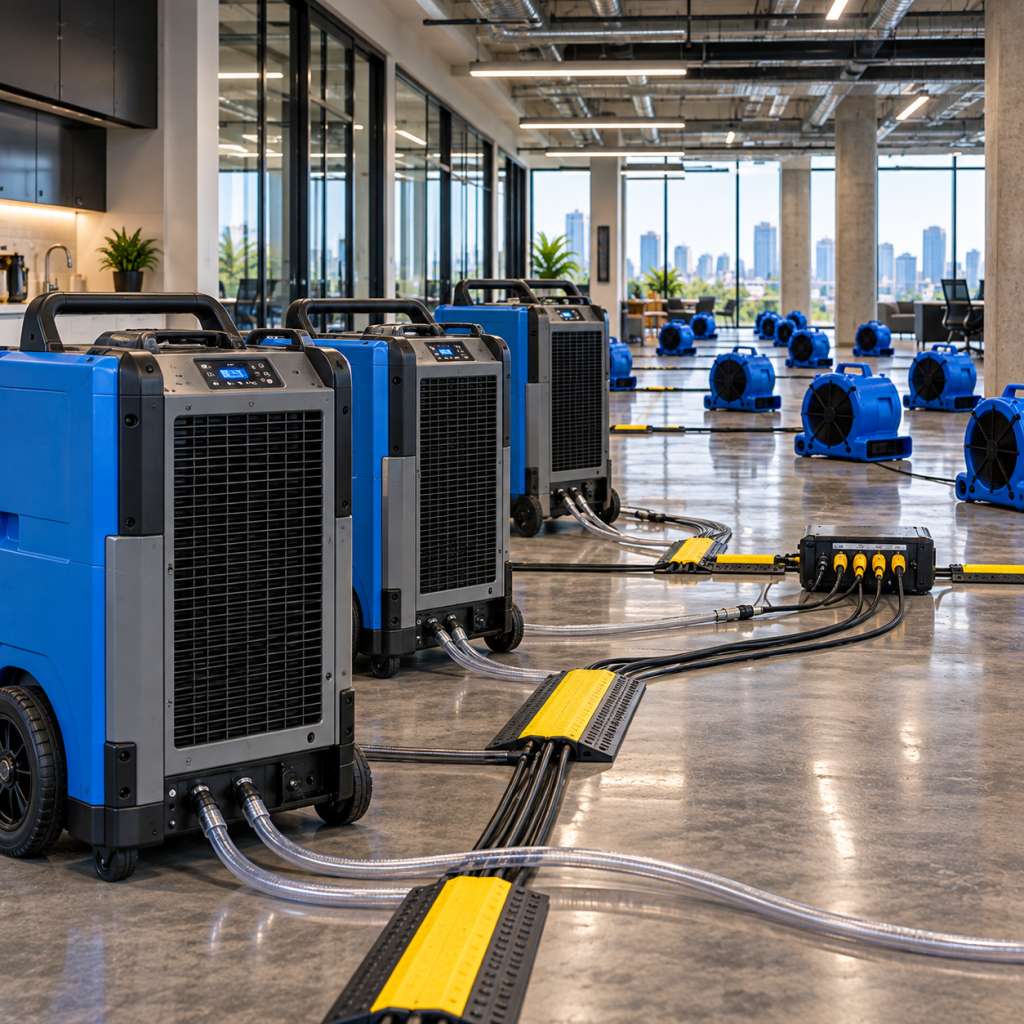
Next, extract standing water fast. The longer water sits, the higher the risk of mold. Crews use extractors and pumps, then remove wet materials that cannot dry. Meanwhile, they keep all work inside containment. Our building water removal page explains the equipment involved.
Medical Center Water Damage and Equipment
Medical devices, imaging machines, and lab equipment need special care. Do not turn on equipment that got wet. Instead, contact the manufacturer or biomedical engineering team. Many devices need professional cleaning, drying, and testing before use. Document each item for insurance.
Medical Center Water Damage in Labs and Imaging Rooms
Labs and imaging rooms need extra care. MRI and CT rooms have special shielding in the walls. If water gets in, the shielding may need testing. Lab rooms may hold chemicals or samples. So crews must work with lab staff before they move anything. Also, freezers and fridges that store samples need backup power. For these reasons, medical center water damage in labs is often handled by a small, trained team.
Records and Supplies
Paper records may still exist in many offices. Wet files can go into a freezer right away. Freezing stops mold and buys time until a document recovery firm can dry them. Medical supplies that touched water usually must be discarded, since sterility cannot be guaranteed.
Air Quality and HVAC Systems
Air systems move air through the whole building. If water reaches ducts or air handlers, they can spread spores. So crews check the HVAC system early. They may shut down the air to wet zones for a short time. Then they clean coils, change filters, and test the air. In operating rooms, air flow and pressure must meet strict limits. For that reason, the facility team should sign off before those rooms reopen.
Step 4: Dry the Space Carefully
Drying in healthcare settings follows the same science as other buildings. However, it requires extra care. Air movers can spread dust, so crews keep them inside containment and use filtration. Dehumidifiers pull moisture from the air. Technicians check readings daily until materials are dry.
Planning Medical Center Water Damage Work Around Care
Patient care schedules come first. So restoration teams work with clinical managers to plan around them. Options include:
- Working at night or on weekends in outpatient clinics
- Moving procedures to unaffected rooms
- Phasing work floor by floor or wing by wing
- Using quiet equipment near patient rooms
Clear communication with clinical staff keeps care running smoothly. In addition, a daily huddle with nurse managers helps. They can flag rooms that must stay open and times when noise is a problem. As a result, the crew can adjust its plan each day.
Mold Prevention
Houston’s heat and humidity speed up mold growth. So fast drying is essential. If mold appears, licensed professionals should handle remediation under strict containment. The EPA mold page shares simple tips on keeping indoor spaces dry.
Working With Facility and Compliance Teams
Healthcare facilities have facility managers, infection preventionists, and compliance staff. Involve them early. They can approve containment plans, review cleaning methods, and confirm the space is ready for patients. The American Society for Health Care Engineering offers resources on managing healthcare environments.
Costs and Claims for Medical Center Water Damage
Healthcare jobs often cost more than office jobs. Containment, filters, and night work all add time. Still, most of this work is covered by property insurance when the loss is sudden. So take photos, keep daily logs, and save every invoice. In addition, track lost income if clinics must close. Clear records help claims for medical center water damage move faster.
Rebuilding After Medical Center Water Damage
Once the space is dry, the rebuild can start. Crews hang new drywall, paint, and install floors. In clinical rooms, they use finishes that are easy to clean. Next, the infection control team checks the room. Then the air is tested. Finally, staff clean the room again before patients return. Each step keeps the space safe and ready for care.
Common Mistakes to Avoid
- Skipping containment to save time
- Turning on wet medical equipment
- Keeping supplies that touched water
- Working near patients without a plan
- Waiting too long to start drying in humid weather
FAQ on Medical Center Water Damage
Can a clinic stay open during medical center water damage restoration?
Often, yes, with containment and phased work.
What is negative air containment?
It uses fans and filters to keep dust inside the work area.
Should wet medical supplies be kept?
Usually not, since sterility cannot be confirmed.
Protect Patients and Property
Careful planning keeps care safe during restoration. Visit our commercial restoration page, or call our Houston team today.
