
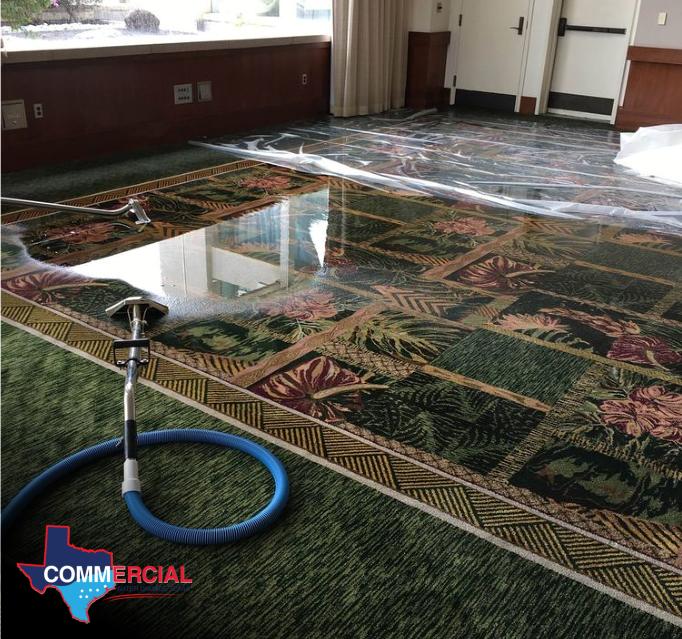
Commercial water removal is the first big step after a flood, a burst pipe, or a sprinkler leak. Pumps and extractors pull out the standing water, and the floor starts to look better. However, the job is far from done. Water hides inside walls, under flooring, and deep in concrete. If no one measures it, it stays there. Weeks later, it shows up as mold, warped floors, peeling paint, and bad smells. That is why moisture testing must always come after extraction. This guide explains why, and how Texas property owners can make sure it happens.
Read on to learn how to judge whether a water job is truly complete.
What Commercial Water Removal Does
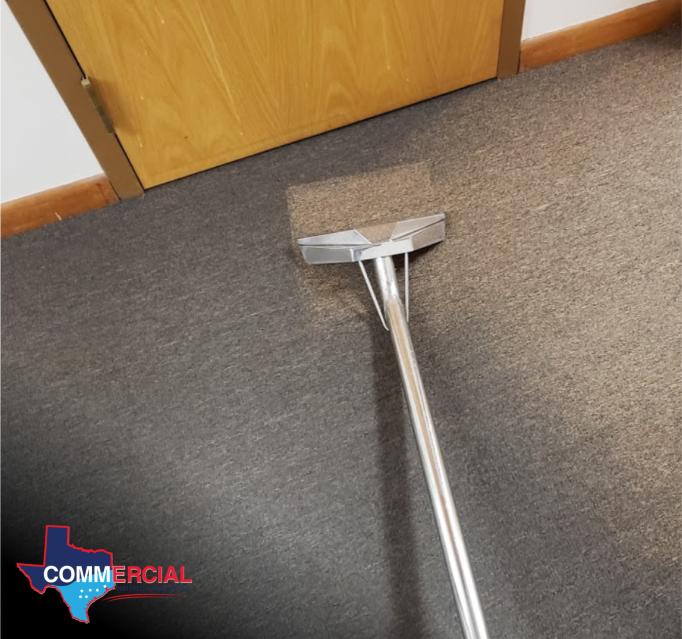
Extraction removes bulk water. Crews use truck-mounted units, portable extractors, and submersible pumps. They also use weighted tools that squeeze water out of carpet and pad. Good extraction removes far more water than air drying alone ever could. As a result, drying time drops and damage stays smaller. Still, extraction only reaches the water you can see and touch.
Commercial Water Removal Equipment Choices
The right tools depend on the space. Truck-mounted units are strong, but they need a parking spot near the door. Portable extractors fit in high-rise offices and tight hallways. Submersible pumps handle deep water in basements and garages. In addition, crews use squeegee tools on hard floors. A good team picks the mix that removes the most water in the least time. Faster commercial water removal means less water soaks into walls and slabs.
Why Water Hides After Extraction
Building materials soak up water like a sponge. Drywall wicks water upward, often a foot or more above the flood line. Wood framing holds water inside its fibers. Concrete slabs absorb water and release it slowly. In addition, water runs under baseboards, behind cabinets, and into wall cavities. None of this is visible from the surface. So a floor can look dry while the wall behind it stays soaked.
The Risks of Skipping Moisture Testing
Hidden water causes slow, costly problems:
- Mold growth inside walls and under floors
- Warped or cupped flooring, especially wood and laminate
- Failed flooring glue on tile, vinyl, and carpet
- Rust and corrosion on metal studs and fasteners
- Odors that return on humid days
- Denied insurance claims when damage appears later without records
In Texas, heat and humidity make each of these risks worse.
How Moisture Testing Works
Technicians use several tools to find water. Each one has a job:
- Pin meters measure moisture inside wood and drywall
- Pinless meters scan surfaces without leaving holes
- Thermal cameras reveal cooler patches that point to trapped water
- Hygrometers measure humidity in the air
- Concrete tests check moisture in slabs before new flooring goes down
Together, these tools build a clear moisture map of the space.
Moisture Mapping After Commercial Water Removal
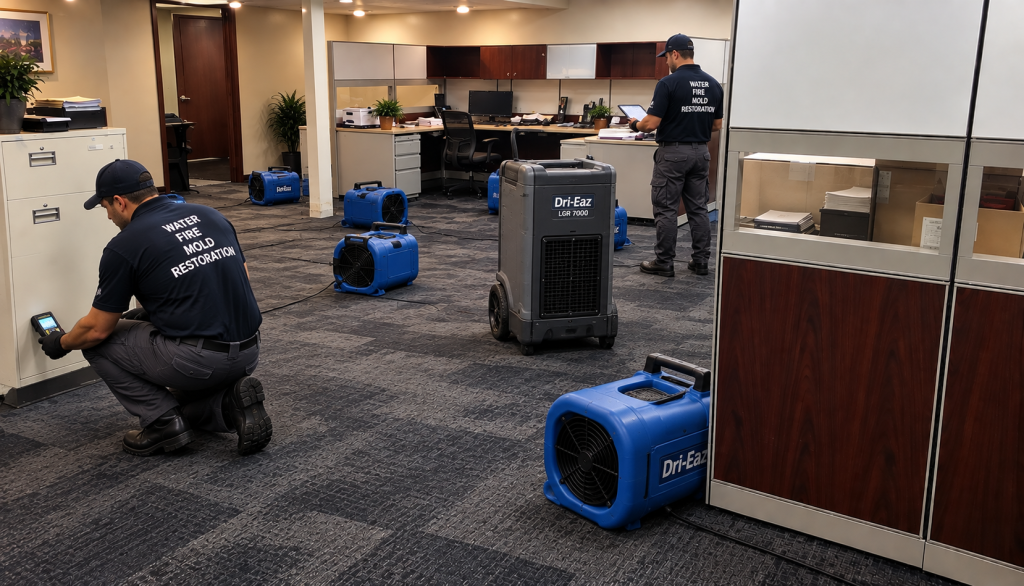
After commercial water removal, technicians walk the space and take readings. They compare wet areas to a dry reference spot in the same building. Then they draw a map that shows where water remains. This map guides the next steps. For example, it shows which walls need holes for air flow, which baseboards come off, and where to place air movers. Without this map, drying becomes guesswork.
Setting Drying Goals
A drying goal is the moisture level a material should reach before work ends. Usually, the goal matches the reading from a dry area of the same material. For instance, if dry drywall reads 10 points, wet drywall should drop to near 10 points. Technicians record each goal at the start. Then they track progress against it every day.
Daily Monitoring
Drying is not a set-it-and-forget-it job. Instead, technicians return every day to take new readings. They move air movers, add dehumidifiers, or open more wall cavities as needed. In addition, they log each reading. These logs show the drying is working. They also give insurers clear proof of the process.
Commercial Water Removal and Concrete Slabs
Many Texas commercial buildings sit on concrete slabs. Slabs hold water for a long time. Lay new flooring early, and the glue may let go while mold grows below it. So technicians test slabs before installing new floors. Flooring makers often list moisture limits for their products. Meeting those limits protects the warranty.
When Commercial Water Removal Is Not Enough
Some materials cannot be saved, even with good testing. For example, wet carpet pad, soaked insulation, and drywall touched by dirty water usually must go. Moisture testing helps here as well. It shows exactly how far the water spread, so crews remove only what is needed. As a result, you avoid tearing out good materials.

Industry Standards for Drying
Professional restorers follow published standards for water damage work. These standards cover inspection, extraction, drying, and documentation. They call for moisture readings before, during, and after drying. The IICRC trains and certifies technicians in these methods. Ask your contractor if their team holds water damage certifications.
Questions to Ask Your Contractor
Before you sign off on a job, ask these questions:
- What moisture readings did you take, and where?
- What was the drying goal for each material?
- Can I see the daily drying logs?
- Did you check inside walls and under flooring?
- Were concrete slabs tested before new floors?
A good contractor will answer each question clearly and share the records.
Commercial Water Removal for Different Water Types
Not all water is the same. Clean water from a supply line is the lowest risk. Gray water from a dishwasher or washing machine carries some germs. Black water from floods or sewage is the most dangerous. So crews treat each type differently. With dirty water, they remove more materials and sanitize more surfaces. Still, every case needs moisture testing.
How Long Drying Takes After Commercial Water Removal
A typical drying job in a business space lasts three to five days. Some last longer. Thick wood, concrete, and dense materials dry slowly. High humidity also slows things down. Daily readings show when drying is truly complete. So avoid rushing the rebuild before the numbers say it is safe.
The Cost of Skipping Tests
Testing adds a small cost up front. However, skipping it can cost far more. A moldy wall may need full removal and a costly cleanup. A failed floor may need to be torn out and replaced. Tenants may leave. In some cases, insurers deny claims for damage that shows up later. So think of testing as cheap insurance. It turns commercial water removal into a complete, lasting fix.
Documenting for Insurance
Insurers want proof. Moisture logs, photos, and equipment lists all help support your claim. They show that the damage was real and that the work was needed. In addition, they protect you if problems appear later. Keep copies of every report.
Common Mistakes to Avoid
- Assuming dry-looking floors mean the job is done
- Skipping readings inside walls
- Installing new flooring on a wet slab
- Removing equipment before drying goals are met
- Failing to keep daily records
FAQ on Commercial Water Removal
Is commercial water removal enough on its own?
No. Extraction removes bulk water, but testing finds hidden water that must also be dried.
How do I know drying is done?
When moisture readings match the dry reference readings for each material.
Can mold grow if moisture testing is skipped?
Yes. Hidden moisture often leads to mold within days in warm weather.
Get the Job Done Right
Extraction and testing work together. Learn more about our building extraction service, or schedule a moisture inspection today.
