
Austin disaster recovery is a process, not a single event. When a flash flood, hailstorm, freeze, or fire hits a business, the first hours are about safety and stopping damage. But the real goal is reopening. Customers, employees, and tenants all want to know when the doors will open again. Moving from emergency cleanup to a full reopening takes planning, teamwork, and clear steps. This guide walks Austin business owners and property managers through each phase.
Whether you run a downtown office, a retail space on South Lamar, or a warehouse near the airport, these steps apply.

Austin’s Common Disasters
Austin sits in a region known as Flash Flood Alley. Heavy rain can turn creeks and low streets into rivers within minutes. In addition, the area sees hail, high winds, and the rare hard freeze. The 2021 winter storm burst pipes across the city and closed many businesses for weeks. So every Austin property needs a recovery plan.
Phase 1: Emergency Response
The first phase starts right away. Its goal is to stop damage from getting worse. Key steps include:
- Making sure everyone is safe
- Shutting off water, power, and gas if needed
- Calling your restoration partner and insurer
- Taking photos and videos of all damage
- Boarding up broken windows or tarping the roof
Quick action in this phase saves time later.
Phase 2: Water Removal and Cleanup
Next, crews remove standing water and debris. They use pumps, extractors, and wet vacuums. Meanwhile, they remove wet carpet, pad, and other materials that cannot be saved. If floodwater entered, they also clean and sanitize every surface. This phase usually takes one to two days.
Austin Disaster Recovery and Drying
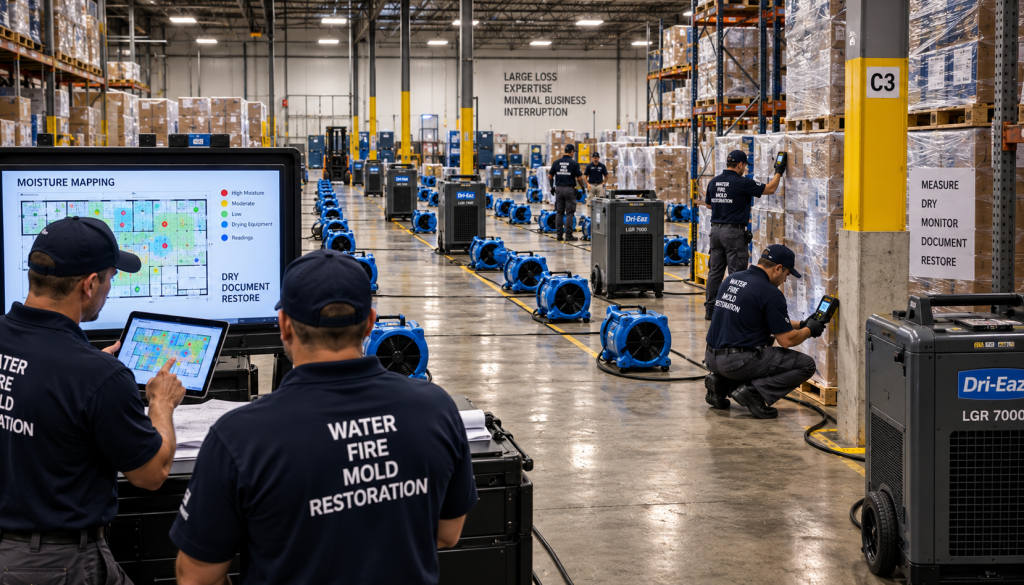
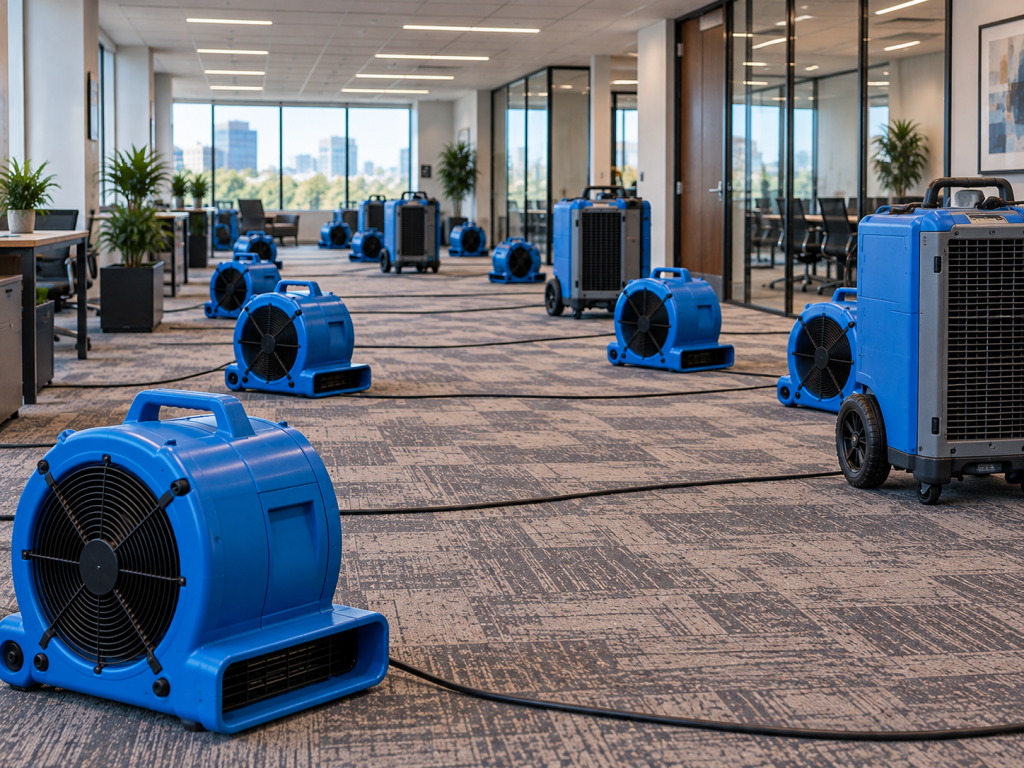
After cleanup, drying begins. Technicians test walls, floors, and ceilings for hidden water. Then they set up air movers and dehumidifiers. They check readings every day until materials are dry. Austin’s humidity can slow drying, so good equipment matters. Most drying takes three to five days.
Choosing an Austin Disaster Recovery Partner
Pick your partner before the next storm. Look for a firm with a local office and crews in Central Texas. Find out their typical arrival time after a storm. Also ask whether they handle both cleanup and rebuild. In addition, check reviews from other Austin businesses. A strong Austin disaster recovery partner will give you a single contact and daily updates. That makes every phase easier.
Phase 3: Assessment and Planning
While drying runs, plan the rebuild. Walk the space with your contractor and insurer. List every repair needed. Then build a schedule. In addition, decide which areas must reopen first. For example, a restaurant may need its kitchen and dining room before its office. Clear priorities guide the work.
Austin Disaster Recovery and Permits
Many repairs need permits from the City of Austin. Electrical, plumbing, and structural work often require them. So ask your contractor which permits apply. Start the process early, since review times vary. Skipping permits can delay your reopening or cause trouble with insurance later.
Phase 4: Repairs and Reconstruction
Once the space is dry and plans are set, repairs begin. Crews replace drywall, insulation, flooring, and ceiling tiles. Electricians and plumbers repair their systems. Then painters and finish crews complete the work. Phasing the rebuild lets key areas open sooner.
Phase 5: Inspections and Testing
Before reopening, make sure the space is safe. Typical checks include:
- Electrical inspections
- Fire alarm and sprinkler tests
- HVAC checks and filter changes
- Final moisture readings
- Air quality testing if mold was found
- City inspections for permitted work
Passing these checks protects people and your business.

Phase 6: Reopening
Finally, the doors open. Clean the space one last time. Restock inventory. Bring staff back and walk them through any changes. Then let customers know you are open. Post updates on your website, social media, and front door.
Keeping Austin Disaster Recovery on Schedule
Delays are common, but many can be avoided. Here are a few tips:
- Choose one project manager to coordinate all trades
- Hold short weekly meetings with your contractor
- Approve change orders quickly
- Order long-lead items, like custom fixtures, early
- Keep the insurer updated with photos and reports
Austin Disaster Recovery for Restaurants and Retail
Restaurants and shops face extra steps. Food businesses need a health inspection before they serve again. They must also throw out food that touched floodwater. Retail stores may need to replace stock, fixtures, and signs. So plan these steps early. In addition, order new items while drying is still underway. As a result, Austin disaster recovery for these businesses can finish faster.
Business Continuity During Recovery
You may not need to stop business completely. For example, staff can often work from home. Retailers can sell online or from a pop-up space. Restaurants may offer takeout from a partner kitchen. These steps keep revenue flowing while repairs continue.
Austin Disaster Recovery and Weather Alerts
Stay alert to future storms during recovery. A second storm can undo your work. So track forecasts from the NWS forecast office for Austin and San Antonio. Protect open walls and roofs with tarps when rain is expected.
Keeping Staff in the Loop
Your team needs facts, too. Tell them when to report, where to park, and which rooms are off limits. Send a short note each morning. In addition, ask managers to share questions they hear. Workers who feel informed stay calm and loyal. That support helps the whole recovery go more smoothly.
Insurance and Claims
Insurance often pays for cleanup, drying, repairs, and lost income. However, flood damage may need a separate policy. So review your coverage early. Keep every invoice, photo, and report. In addition, track lost sales and extra costs. These records support a full claim.
Austin Disaster Recovery Costs
Costs vary with the size and type of loss. Cleanup and drying are often billed by the day and by the square foot. Rebuild costs depend on materials and labor. Meanwhile, lost income can add up fast. So ask your contractor for a written estimate early. Share it with your insurer. Clear numbers help you plan your Austin disaster recovery budget and avoid surprises.
Lessons From the 2021 Winter Storm
The February 2021 storm taught Austin owners hard lessons. Many lost power for days. Pipes froze and burst in offices, stores, and apartment buildings. Restoration crews were booked for weeks. Owners with a plan and a signed service agreement got help first. Others waited. So build your plan now, and keep your contacts current.
Learning From the Event
After reopening, review what happened. What worked well? What slowed you down? Update your emergency plan with these lessons. For instance, you may decide to move servers off the ground floor or add flood barriers at doors.
Common Mistakes to Avoid
- Rushing repairs before drying is complete
- Skipping permits for major work
- Forgetting fire and life safety checks
- Poor communication with staff and customers
- Not updating the plan after the event
FAQ on Austin Disaster Recovery
How long does Austin disaster recovery take?
Small losses may take a few weeks. Larger ones can take several months.
Do I need permits for repairs?
Often, yes. Electrical, plumbing, and structural work usually need City of Austin permits.
Can my business stay open during repairs?
Sometimes. Phased work and remote options can help.
Get Back to Business
A clear plan speeds your recovery. Visit our Austin water damage page, or talk to our Austin team today.
