
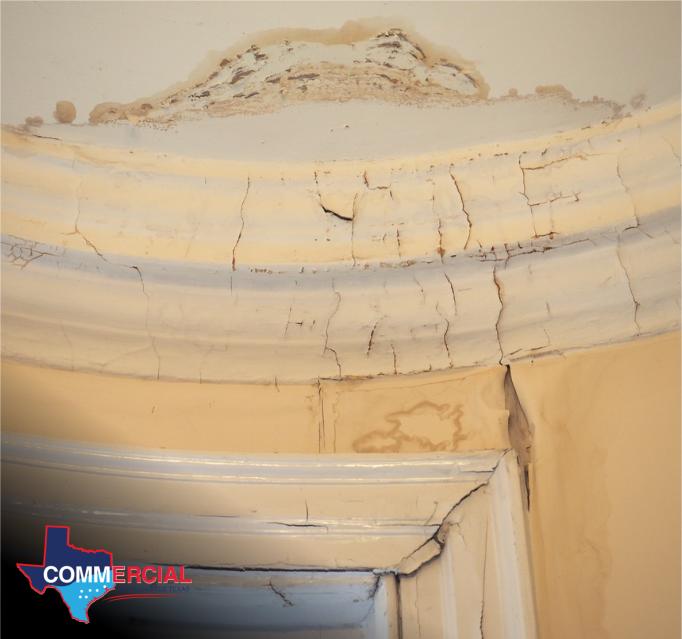
Fire sprinkler water damage can be shocking. A single broken head can release a large amount of water every minute. In a few minutes, ceilings sag, carpets flood, and water runs down walls and stairs. Yet stopping the water is only the beginning. Two jobs must happen next, and both matter. First, a licensed sprinkler contractor must repair the system and put it back in service. Second, a restoration team must dry and repair the building. When these teams work together, the property recovers faster. This guide explains how to coordinate both jobs in Texas.
Facility staff and owners will find steps to plan ahead and respond well.
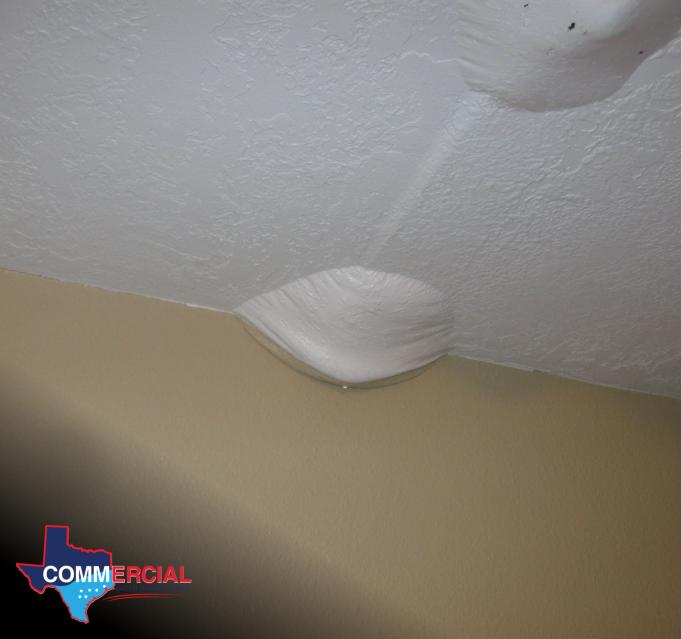
How Much Fire Sprinkler Water Damage One Head Can Cause
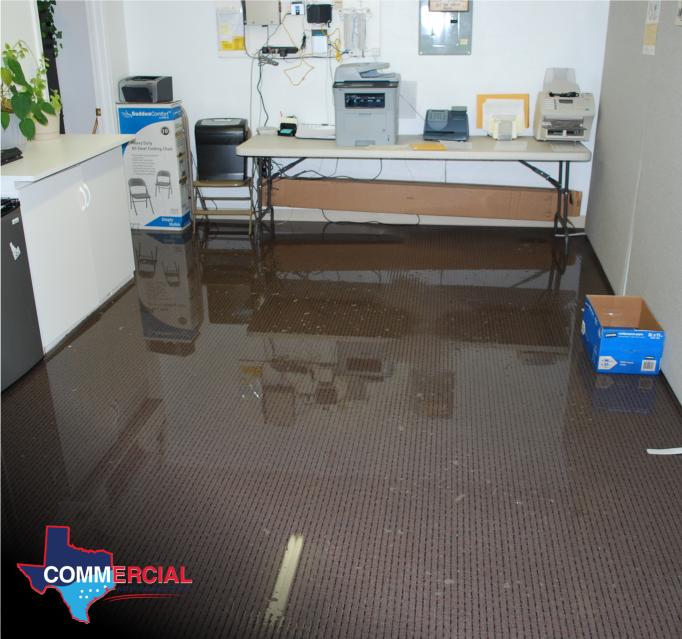
Many people are surprised by the volume. A single head can flow many gallons each minute. If no one shuts the valve for half an hour, hundreds or even thousands of gallons may spread. In a high-rise, that water can drop through several floors. So fast action matters more than anything else. Each minute you save cuts fire sprinkler water damage and the cost of repairs.
Why Sprinklers Release Water
Sprinklers save lives during fires. However, they can also discharge when there is no fire. Common causes include:
- A head hit by a forklift, ladder, or box
- Frozen pipes during a Texas cold snap
- Corrosion inside old pipes
- Overheating from nearby equipment
- Faulty parts or poor installation
- Pressure surges in the water supply
Any of these can cause a sudden flood.
First Steps When a Sprinkler Discharges
Act quickly and calmly. Start by making sure there is no real fire. Then follow these steps:
- Call your fire alarm monitoring company
- Shut the control valve for that zone, if trained to do so
- Call your licensed sprinkler contractor
- Call your restoration team
- Move people away from wet areas
- Take photos of the damage
Post these steps near the riser room, so staff can find them fast.
Fire Sprinkler Water Damage and Fire Watch
When a sprinkler zone is shut down, the building loses fire protection there. Local fire officials may require a fire watch. During a fire watch, trained people patrol the area until the system is back in service. In addition, the fire marshal may need to be told. So call your local fire department and follow their direction. This step keeps people safe and keeps you in compliance.
Job One: Sprinkler System Repairs
In Texas, only a licensed contractor may work on sprinkler systems. The State Fire Marshal’s Office issues those licenses. The contractor will find the cause, replace damaged parts, and test the system. They will also check nearby heads and pipes for similar problems. After that, they put the system back in service. Ask for a written report on the cause and the repair.
Inspection and Maintenance Standards
Sprinkler systems need regular care. National standards, including NFPA 25, cover inspection, testing, and maintenance. Following these standards helps prevent surprise discharges. So review your inspection records after any event. If inspections are overdue, schedule them now.
Job Two: Fire Sprinkler Water Damage Restoration
While the sprinkler team works on the system, the restoration team works on the building. Their tasks include:
- Extracting standing water from floors
- Removing wet ceiling tiles and insulation
- Testing walls and floors for hidden moisture
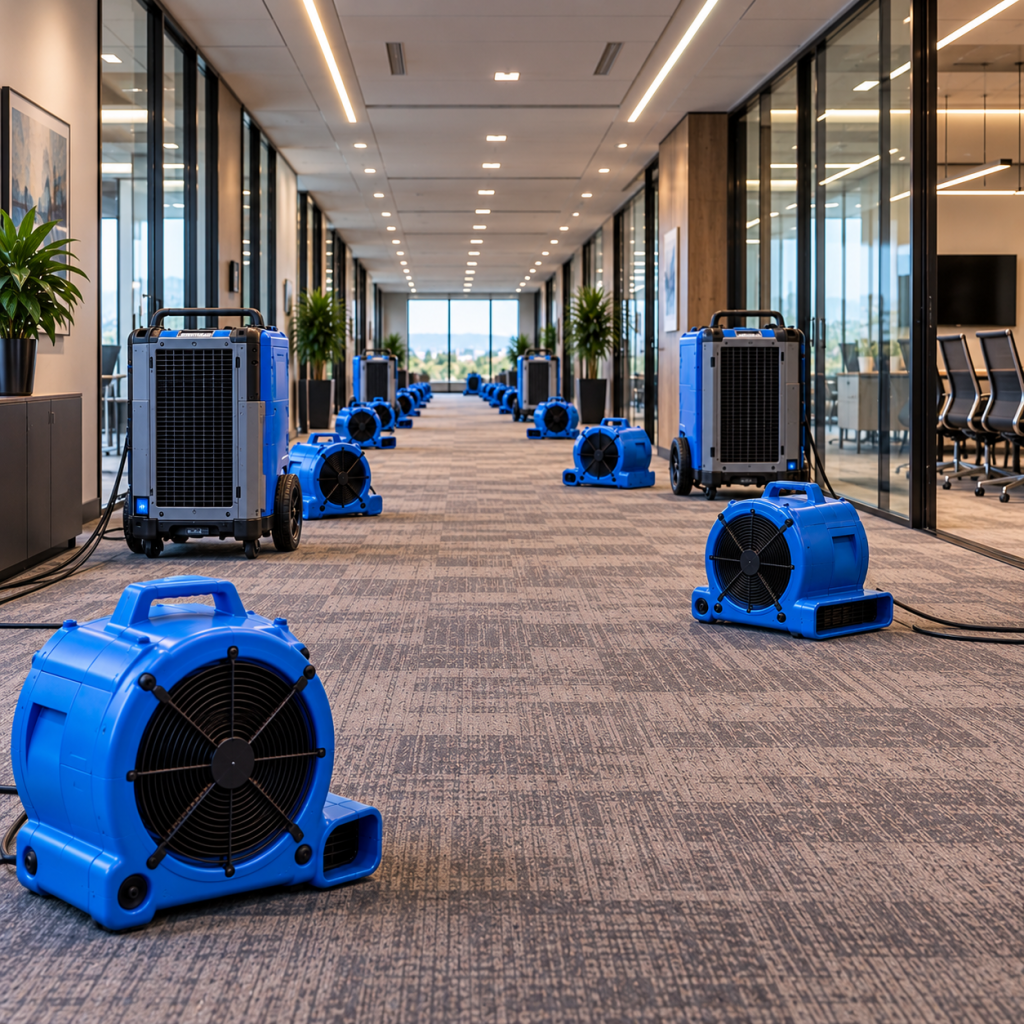
- Setting up air movers and dehumidifiers
- Protecting furniture, equipment, and records
- Monitoring drying every day
The faster this work starts, the less damage you will see.
Sprinkler Water Is Often Dirty
Sprinkler water stays trapped in pipes for years. Over that time, it often turns black and smells bad. It may carry rust, oils, and bacteria. So crews treat it as contaminated in many cases. That means more cleaning and, sometimes, removing more materials. The type of water affects both safety and the scope of work.
Coordinating Fire Sprinkler Water Damage Teams
The two teams must share the site. For example, the sprinkler contractor may need access to ceilings that the restoration team wants to remove. Meanwhile, the restoration team may need power for drying equipment. So hold a short meeting at the start. Agree on who works where and when. Name one person to coordinate both teams. Good teamwork avoids delays and repeat work.
Protecting Contents and Equipment
Sprinkler leaks often hit offices, stores, and warehouses full of valuable items. Move dry items away from the wet zone. Cover items that cannot move. Do not turn on wet electronics. In addition, sort damaged items into save and replace groups. Keep a list with photos for insurance.
Drying the Building After Fire Sprinkler Water Damage
Sprinkler water often spreads far. It runs above ceilings, down walls, and between floors. So technicians use meters and thermal cameras to find every wet spot. They then place drying equipment and track progress each day. Most jobs dry in three to five days. However, multi-floor leaks may take longer.
Questions to Ask Both Teams
Clear questions keep both crews on track. Ask the sprinkler firm what caused the break and whether other heads face the same risk. Ask when the system will be back in service. Then ask the restoration team where water spread and how long drying will take. In addition, request daily updates from each crew. Good answers help you plan reopening dates and talk with tenants.
Fire Sprinkler Water Damage and Insurance
Most commercial property policies cover sudden sprinkler discharges. However, coverage may depend on the cause. For instance, freeze damage may be limited if heat was not kept on. So call your insurer early. Share the sprinkler contractor’s report, photos, and moisture logs. These records support your claim.
Rebuilding After the Leak
After drying, repairs begin. Crews replace drywall, ceiling tiles, insulation, and flooring. Then they paint and clean. Finally, the space is ready for people again. Plan the rebuild around your business needs, so key areas reopen first.
Fire Sprinkler Water Damage in Warehouses and Stores
Warehouses and stores face special risks. Racks hold boxes close to sprinkler heads. Forklifts move near pipes every day. When a head breaks, water soaks pallets and stock in seconds. So keep clear space below heads, as your fire code requires. In addition, raise stock off the floor on pallets. These steps limit fire sprinkler water damage to goods and keep loss small.
Preventing Future Discharges
Prevention is simple and cheap. Keep heads clear of boxes and equipment. Train staff to avoid hitting heads with ladders and lifts. Keep heat on in winter, especially in attics and loading docks. Schedule regular inspections. In addition, install guards on heads in high-risk areas.
Common Mistakes to Avoid
- Waiting to call the alarm company
- Skipping a required fire watch
- Using an unlicensed contractor for repairs
- Treating sprinkler water as clean
- Letting the two teams work without a plan
FAQ on Fire Sprinkler Water Damage
Who repairs the sprinkler system?
A licensed sprinkler firm. Ask to see its state license before work starts.
Is fire sprinkler water damage covered by insurance?
Usually, if the discharge was sudden. Check your policy for details.
Why does sprinkler water smell bad?
It sits in pipes for years and picks up rust and bacteria.
Get Both Jobs Done Right
Fast teamwork protects your property. Read our guide on who to call after a leak, or reach our 24/7 team now.
