
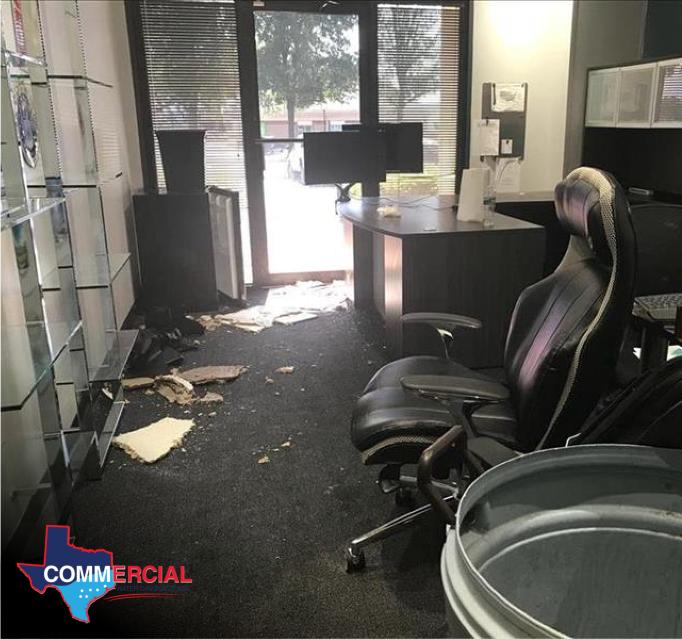
Office water damage restoration is about more than drying a room. It is about getting people back to work. When a pipe bursts above a ceiling or a storm floods the ground floor, desks, carpet, walls, and computers all take a hit. Staff cannot work in a wet, noisy space. Clients may not be able to visit. Every day the office stays closed costs money. So the goal is simple: dry it right, rebuild it fast, and keep the business running along the way. This guide explains how to manage wet floors, walls, and workspaces in a Texas office.
Office managers and facility teams will find a clear plan here, along with key questions to ask.

First Steps After Water Hits the Office
Act fast. First, stop the water at the source, if it is safe to do so. Next, turn off power to wet areas. Then move people out of the space. After that, call your restoration team and your building manager. Finally, take photos of everything before anything moves. These steps protect people and support your insurance claim.
Choosing an Office Water Damage Restoration Team
The right team makes a big difference. Look for a company that answers the phone at any hour and arrives fast. Ask if they work in occupied offices and can keep noise down. In addition, check for certified technicians and commercial insurance. A strong office water damage restoration team will also give you a written plan with dates. That plan helps you tell staff when they can return.
Protecting Electronics and Data
Computers, printers, and phones are often the most urgent items. Unplug them, but only if the floor is dry and safe. Move them to a dry room. Do not turn on any device that got wet. In addition, check your servers and network closets. If water reached them, call your IT team right away. Check your backups before any repairs begin.
Office Water Damage Restoration for Carpet
Most offices use carpet tiles or broadloom carpet. Each needs a different plan. Crews can often lift, clean, and dry carpet tiles. They can also swap damaged tiles one by one. Broadloom carpet is harder. If clean water soaked it, crews may dry it in place with special mats and air movers. However, if dirty water soaked it, the carpet and pad usually must go. Moisture testing shows the best path.
Hard Floors and Concrete
Vinyl, laminate, and wood floors can trap water underneath. As a result, they may cup or lift. Crews test under these floors with moisture meters. Sometimes they remove a few planks to let air reach the subfloor. Concrete slabs also hold water for days. So test the slab before any new flooring goes down.
Office Water Damage Restoration for Walls
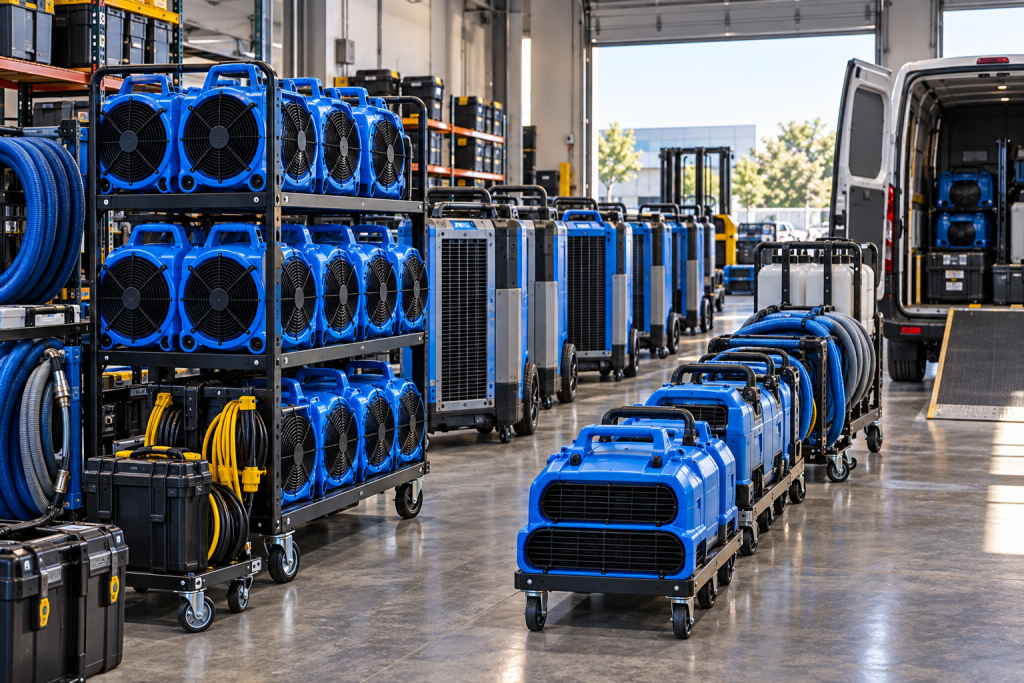
Drywall soaks up water quickly. Water can climb a foot or more above the wet line. So crews check walls with meters and thermal cameras. If the drywall is only damp, they may drill small holes near the floor and blow air inside. If it is soaked or touched by dirty water, they cut it out. A common method is a flood cut, which removes the bottom two to four feet. This lets air reach the studs and insulation.
Ceilings and Ceiling Tiles
Leaks from above often hit ceiling tiles first. Stained or sagging tiles should be removed. Wet tiles can fall and hurt someone. In addition, the space above the ceiling may hold wet insulation, ducts, and wiring. So crews inspect the plenum with care. Replace tiles only after the area above is dry.
Office Water Damage Restoration for Workspaces
Cubicles, desks, and chairs need special care. Panel systems have fabric that can wick water. Wood desks may swell. Metal frames may rust. So crews sort items into three groups: dry, clean and save, or replace. Then they move saved items to a dry area while the room is dried. Label each item by desk number, so staff get their own things back.
Paper Files and Records
Wet paper must be handled fast. Mold can start in a day or two. Small amounts can be air dried. Larger amounts should go to a document recovery firm. Many firms freeze-dry records to save them. In addition, move dry files away from wet rooms. Keep a list of what was damaged.
Keeping Staff Working
The office does not have to shut down completely. Several options can keep work going:
- Move teams to dry floors or rooms
- Allow remote work during drying
- Set up temporary desks in a conference room
- Schedule loud work after hours
- Use containment walls to separate work zones
Talk with your restoration team about the best mix for your space.
Drying Equipment in Office Spaces
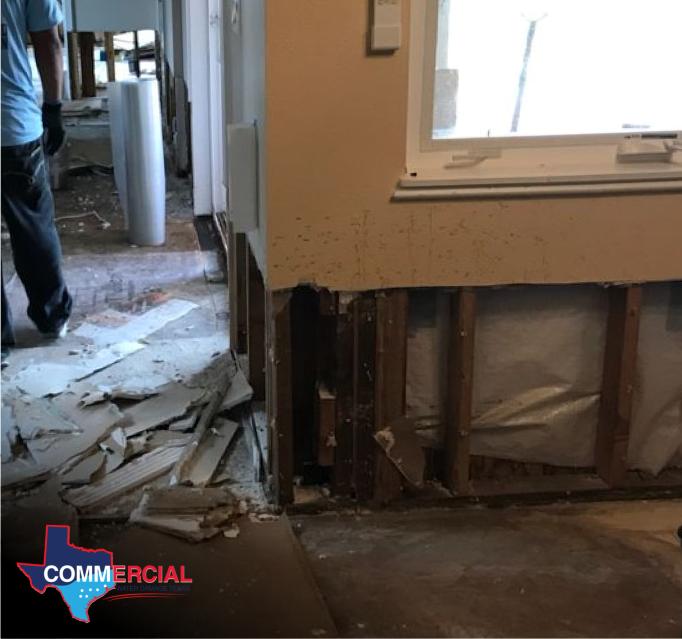
Drying equipment is loud and uses a lot of power. Air movers blow across damp surfaces. Dehumidifiers trap water vapor in the room. Crews place them carefully to avoid blocking exits and walkways. They also plan power use, so they do not trip breakers that serve other tenants. Equipment usually runs for three to five days.
Health and Air Quality
Wet offices can grow mold quickly in Texas heat. Musty smells are an early warning sign. So dry the space fast and keep humidity low. If mold appears, a trained team should remove it safely. The EPA mold resources offer helpful facts for building owners and managers.
Office Water Damage Restoration and Insurance
Insurance usually covers sudden water damage, such as a burst pipe. It may not cover slow leaks or floods without flood coverage. So review your policy and call your agent early. In addition, document everything. Photos, moisture logs, and damaged item lists support your claim. Leases may also split costs between the landlord and tenant.
Rebuilding After Office Water Damage Restoration
Once drying is complete, the rebuild starts. Crews hang new drywall, paint, install ceiling tiles, and lay new flooring. Then furniture and electronics move back in. Plan the rebuild with staff needs in mind. For instance, finish the main work areas first and the storage rooms last.
A Typical Office Water Damage Restoration Timeline
Every job is different, but most follow a similar path. On day one, crews remove water and set up drying gear. On days two through five, they check readings and move equipment. Next, they remove the gear once goals are met. After that, the rebuild starts and may take one to three weeks. Office water damage restoration moves faster when the owner approves work quickly. So keep a decision-maker on call.
Preventing Future Office Leaks
Prevention costs far less than repairs. So inspect supply lines under sinks and behind coffee makers. Check the water heater and ice machine lines. Install leak sensors in break rooms and server rooms. In addition, know where the main water shutoff is located.
Common Mistakes to Avoid
- Turning on wet electronics
- Leaving wet ceiling tiles in place
- Putting furniture back before floors are dry
- Skipping moisture testing behind walls
- Waiting to call the insurer
FAQ on Office Water Damage Restoration
How long does office water damage restoration take?
Drying usually takes three to five days. Rebuilding may take a few more weeks, depending on the damage.
Can we keep working during repairs?
Often, yes. Containment and phased work let staff use dry areas.
Can wet carpet tiles be saved?
Sometimes. Clean water damage is often salvageable, but dirty water usually means replacement.
Get Your Office Back to Work
Quick action saves your space and your schedule. Visit our office damage services page, or request a fast inspection today.
