
Choosing a water damage repair contractor for a commercial building is not like hiring someone to fix a leak at home. The stakes are higher, the buildings are bigger, and the work often affects tenants, customers, and revenue. A good contractor responds fast, dries the building properly, documents every step, and rebuilds the space without surprises. A poor choice, on the other hand, can lead to mold, failed repairs, insurance disputes, and long closures. This guide explains what to look for, what to ask, and which red flags to avoid.
Business owners, property managers, and facility directors can use it before a loss or in the first hours after one.
Why the Right Contractor Matters
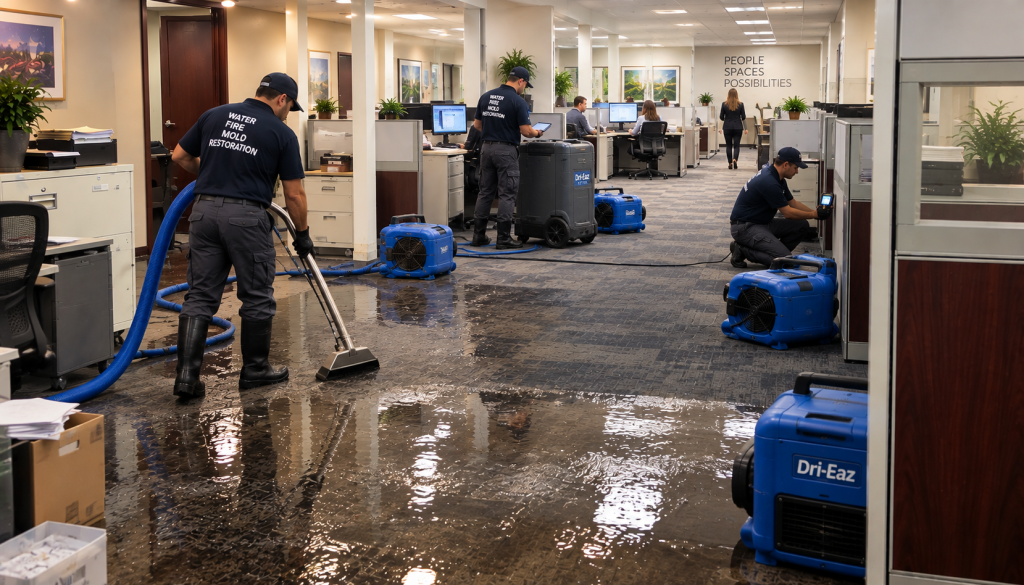
Water damage is a race against time. The contractor you choose controls how fast that race starts and how well it ends. They decide what to remove, how to dry, and when the building is ready for repairs. They also create the records your insurer uses to approve the claim.
In short, the right water damage repair contractor protects your building, your budget, and your schedule. The wrong one can cost you on all three.
Start Before You Need One
The best time to choose a contractor is before anything goes wrong. During an emergency, there is little time to compare options. So research local companies now, check their credentials, and keep your top choice in your emergency plan. Some companies also offer priority service agreements, which guarantee faster response for planned clients.
Key Qualities of a Water Damage Repair Contractor
24/7 Emergency Response
Leaks do not keep business hours. Your contractor should answer the phone around the clock and send a crew quickly. Ask for typical response times in your area, especially at night and on weekends.
Commercial Experience
Commercial buildings differ from homes. They have larger spaces, complex systems, multiple tenants, and strict schedules. So look for a contractor with a track record in offices, retail, warehouses, schools, or medical buildings. Ask for examples similar to your property.
Certified Technicians
Training matters. Look for technicians certified by the IICRC, the main standard-setting body for restoration. Certifications such as Water Restoration Technician and Applied Structural Drying show that crews understand the science of drying.
Proper Licensing and Insurance
Confirm that the company carries general liability and workers’ compensation insurance. Ask for certificates before work starts. In Texas, mold remediation requires a state license, so ask whether the company holds one or partners with a licensed firm. The Texas Department of Licensing and Regulation lets you verify mold licenses online.
Equipment and Capacity
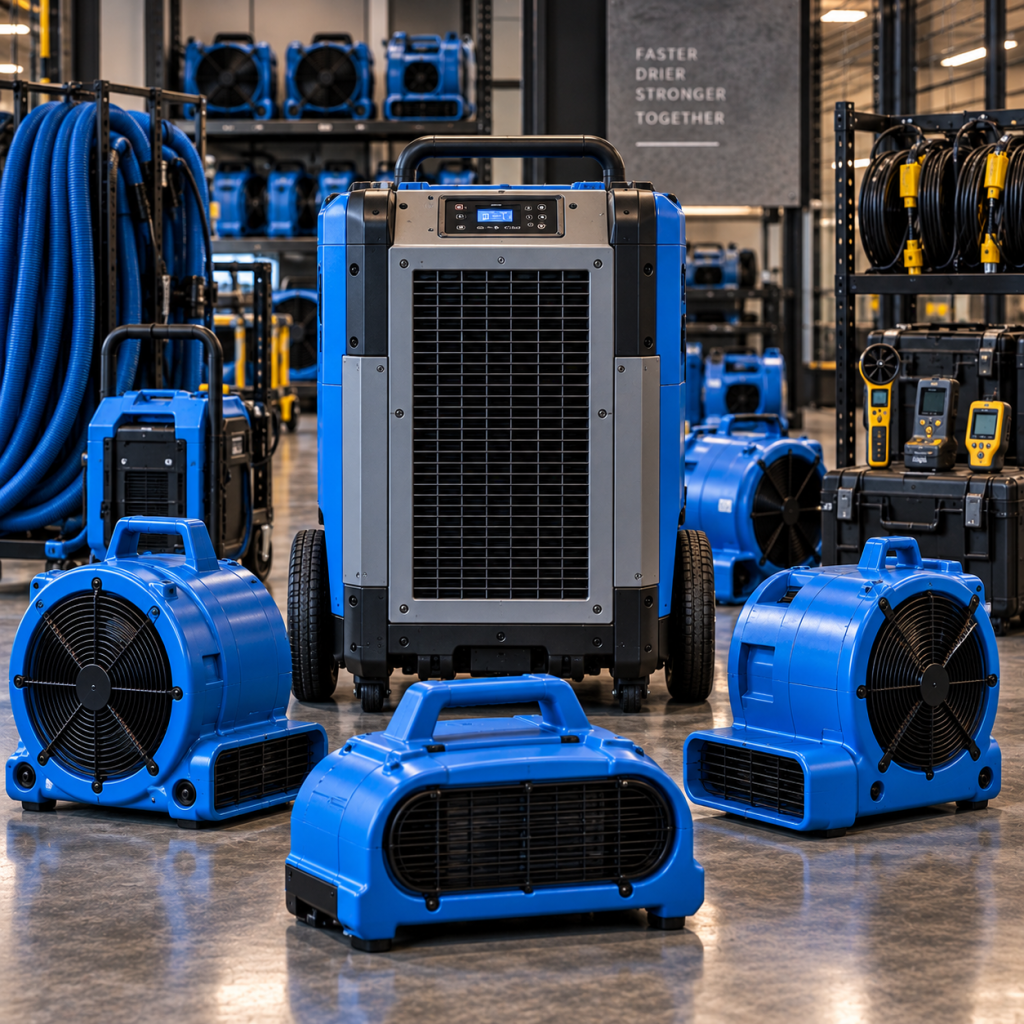
Large losses need a lot of equipment. A contractor should have enough extractors, air movers, dehumidifiers, and crews to handle your building. After major storms, many companies run short. So ask how they handle surges and whether they can bring in more resources.
What a Water Damage Repair Contractor Should Do on Day One
The first visit tells you a lot about a contractor. A strong team arrives with the right gear and a clear plan. First, they check for safety hazards and confirm the water source is off. Next, they inspect the space and identify the type of water. Then they trace moisture using meters and infrared cameras, often finding wet areas you never saw.
After that, they explain the plan in plain language. You should hear what they will remove, where they will place equipment, and how long drying should take. They should also photograph the damage before touching anything. Finally, they should start extraction the same day. If a water damage repair contractor spends the first visit only selling, rather than working, take note.
How a Water Damage Repair Contractor Documents the Job
A good water damage repair contractor keeps detailed records. Expect daily moisture readings, photos, equipment logs, and a clear scope of work. These records support your insurance claim and show that the building dried properly.
Communication matters just as much. Ask who your main contact will be and how often you will get updates. For commercial jobs, daily summaries are a reasonable expectation.
Water Damage Repair Contractor Experience With Insurance
Most commercial water losses involve insurance. A contractor who understands the claims process can save you time and stress. They should know how to write scopes in the format adjusters use and how to explain changes clearly. However, remember that you, not the contractor, control your claim. Avoid any company that asks you to sign over all of your insurance rights.
Restoration and Rebuild Under One Roof
Some companies handle only drying. Others also rebuild. Using one company for both can reduce delays, since there is no handoff between firms. On the other hand, some owners prefer a separate general contractor for large rebuilds. Either way, make sure the plan is clear before work begins.
Questions to Ask a Water Damage Repair Contractor
- How quickly can you arrive, day or night?
- What commercial projects have you completed recently?
- Are your technicians IICRC certified?
- Can you provide proof of insurance and any required licenses?
- How will you document drying and share updates?
- Do you handle repairs as well as drying?
- How do you price your work, and when will I see an estimate?
Red Flags to Watch For
- Pressure to sign a contract on the spot without reading it
- Requests to sign over all insurance payments
- No proof of insurance or certifications
- Vague estimates with no line items
- Out-of-state crews with no local address after a big storm
- No moisture readings or drying logs
Storm chasers often appear after major Texas weather events. So take a few minutes to verify any company that shows up uninvited.
Comparing Estimates
When you compare bids, look beyond the total. Check what each one includes, such as tear-out, drying days, equipment counts, and repairs. A lower bid may leave out key work that shows up later as change orders. In addition, ask each contractor to explain their drying plan in plain language.
Local Knowledge Makes a Difference
A contractor who knows your city brings real advantages. For example, they understand local permit rules, common building types, and typical weather risks. In Texas, that might mean knowing how humidity slows drying in Houston, or how hail damage shows up after a Dallas storm. Local teams also tend to arrive faster and stay accountable after the job ends.
Checking Reviews and References
Online reviews give a quick picture. However, references from other commercial clients are even better. Ask for two or three recent contacts, and call them. Ask whether the contractor arrived on time, communicated well, and finished on budget. Our post on hiring restoration companies in Texas adds more tips.
FAQ on Choosing a Water Damage Repair Contractor
Does my insurer choose the contractor?
Usually not. You can choose your own, though the insurer will review the scope and pricing.
Is the cheapest water damage repair contractor a good choice?
Not always. Missing work or poor drying can cost far more later.
What certifications should I look for?
IICRC certifications in water restoration and structural drying are the most common.
Choose With Confidence
The right partner makes recovery faster and simpler. Visit our commercial restoration services page, or contact our team to learn more.
