
Texas disaster response services work best when a business already has a plan. Floods, hurricanes, hail, freezes, fires, and burst pipes can strike any commercial property in the state. When they do, the first few hours matter most. Owners who know who to call, what to protect, and how to keep operating recover faster and lose less. Owners without a plan, on the other hand, lose time making decisions under pressure. This guide explains how to build an emergency recovery plan for your Texas property.
Business owners, facility managers, and property teams across Texas can use it as a starting point for their own plan.
Why a Recovery Plan Matters
Disasters move fast. Water spreads, power fails, and phones ring nonstop. Without a plan, people waste time looking for shutoff valves, contact numbers, and insurance policies. With a plan, by contrast, everyone knows their role. As a result, damage stays smaller and the business reopens sooner.
Texas Disasters to Plan For
Texas faces a wide range of risks:
- Hurricanes and tropical storms along the Gulf Coast
- Flash floods in Central Texas and the Hill Country
- Hail and severe storms in North and West Texas
- Hard freezes like the 2021 winter storm that burst pipes statewide
- Fires and the water used to fight them
- Plumbing and sprinkler failures any time of year
A good plan covers the risks most likely at your location.
What Texas Disaster Response Services Include
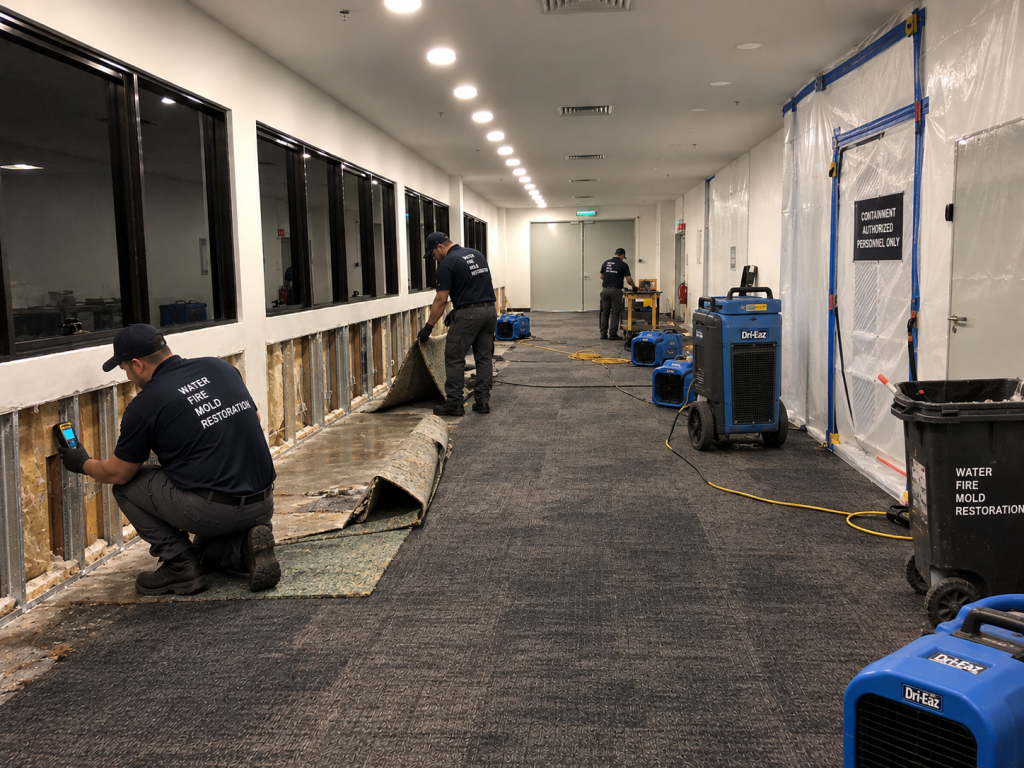
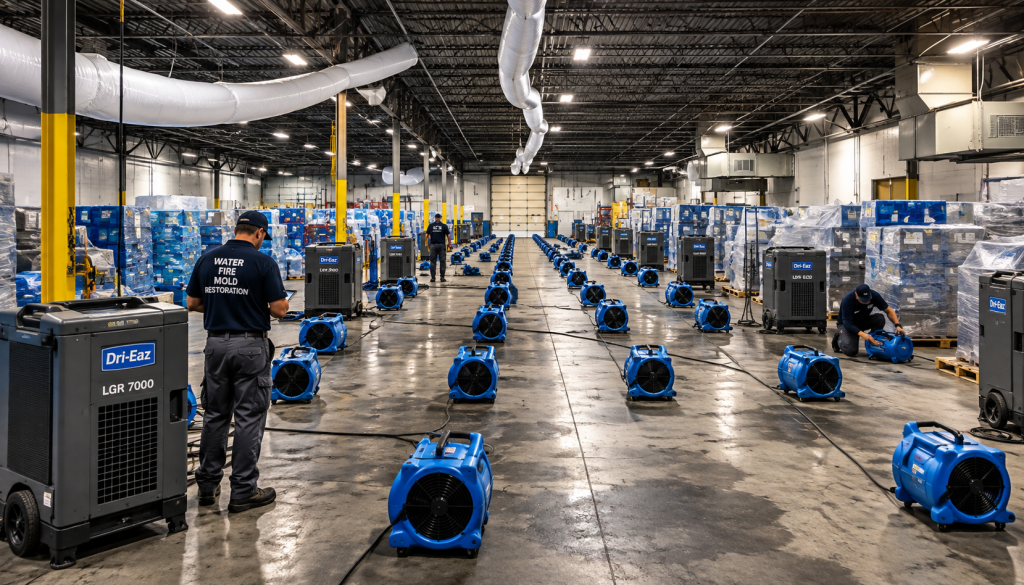
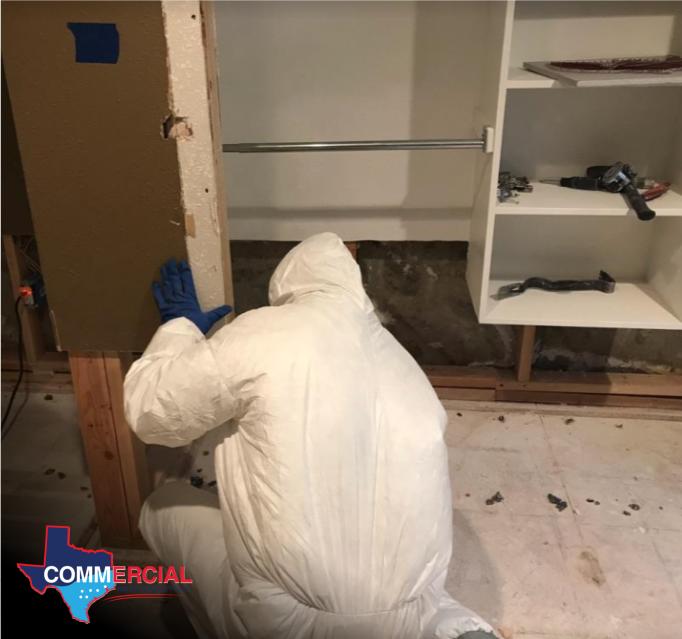
Most Texas disaster response services cover far more than water removal. A full team can board up broken windows, tarp a damaged roof, and pump out flooded rooms. Next, crews dry the structure, clean smoke and soot, and stop mold before it starts. Many firms also pack out and store contents while the building is repaired. Some even handle the rebuild. So ask each provider which of these steps they do in house. Fewer handoffs mean fewer delays.
Step 1: Assess Your Property
First, walk your property with fresh eyes. Note where water could enter, such as low doors, roof drains, and basements. Find shutoffs for water, gas, and power. Locate critical equipment, records, and inventory. Then mark these on a simple site map. This map becomes the heart of your plan.
Step 2: Build Your Emergency Team
Next, name the people who will act in a disaster. Typically, this includes a decision-maker, a facilities lead, a communications lead, and backups for each. Give each person clear duties. In addition, keep their phone numbers in the plan, including personal cells for after-hours events.

Step 3: Line Up Texas Disaster Response Services
Do not wait for a disaster to find help. Instead, choose your restoration partner ahead of time. Look for 24/7 response, commercial experience, certified technicians, and enough equipment for large losses. Some companies offer priority service agreements. These can move you to the front of the line after a big storm, when many businesses need help at once. Our emergency response page explains how this works.
How to Choose Texas Disaster Response Services
Not every company is ready for a large commercial loss. First, ask how fast they can reach your site at 2 a.m. on a holiday. Second, ask how much equipment they keep in Texas. Third, ask for references from properties like yours. In addition, look for staff trained to industry standards, such as those set by the IICRC. Finally, read the contract before you sign. The right Texas disaster response services partner will explain pricing clearly and answer every question.
Step 4: Protect Critical Data and Records
Many businesses rely on digital systems. So back up data off site or in the cloud. Store copies of insurance policies, leases, and vendor contracts in a safe digital folder. Keep paper originals in waterproof storage or off the floor. If servers sit in a basement or flood-prone room, consider moving them.
Step 5: Plan for Business Continuity
Recovery is not just about the building. It is also about keeping the business running. So ask a few questions. Can staff work from home? Is there a backup location? How will customers reach you? Which tasks must continue no matter what? The Ready.gov business guide offers helpful continuity templates.
Texas Disaster Response Services and Insurance
Review your insurance before a disaster. Many commercial policies exclude flood, which needs separate coverage. Wind and hail may have special deductibles on the coast and in hail-prone areas. In addition, business interruption coverage can pay for lost income. So meet with your agent once a year. Make sure your coverage matches your risks.
Step 6: Write Simple Response Checklists
Checklists help people act fast. Create short lists for each type of event. For example:
- Flood: shut off power, move inventory up, call the restoration partner
- Freeze: keep heat on, drip faucets, check sprinkler areas
- Hurricane: secure loose items, protect glass, back up data
- Sprinkler leak: call the fire alarm company and sprinkler contractor
Post these lists in key places, such as engineering rooms and front desks.
Keeping Tenants and Customers Informed
People will want news fast. So prepare short message templates now. One can tell customers you are closed and when to check back. Another can tell tenants where to park and which doors are open. Post updates on your website and social pages. Meanwhile, keep staff in the loop with a group text. Calm, simple updates protect your reputation while repairs go on.
Step 7: Train and Practice
A plan only works if people know it. So train your team once or twice a year. Walk through each checklist. Practice finding shutoffs and calling the restoration partner. In addition, update contacts whenever staff change. Short drills build confidence and reveal gaps.
Working With Local and State Agencies
After major disasters, local and state agencies coordinate response. The Texas Division of Emergency Management shares preparedness resources and disaster updates. Local emergency management offices also post information on road closures, shelters, and recovery programs.
After the Storm: Texas Disaster Response Services in Action
Once the danger passes, follow your plan. First, make the site safe. Next, document damage with photos. Then call your restoration partner and insurer. After that, start water removal, drying, and cleanup. Finally, rebuild and reopen. A clear plan keeps each step moving.
Budgeting for Texas Disaster Response Services
Costs depend on the size of the loss, the type of damage, and how long drying takes. Water jobs are often priced by the square foot and by each piece of equipment per day. Fire and mold work can cost more because of the extra cleaning. Most of these costs are covered when the loss falls under your policy. Still, set aside a small reserve for deductibles. That way, Texas disaster response services can start right away, with no wait for approvals.
Common Mistakes to Avoid
- Waiting for a disaster to choose a restoration partner
- Keeping the plan only on a server that may go down
- Ignoring flood insurance gaps
- Never practicing the plan
- Forgetting to update contact lists
FAQ on Texas Disaster Response Services
When should I contact Texas disaster response services?
Before a disaster, to set up a plan, and immediately after one, to start recovery.
Do I need a priority service agreement?
It helps after big storms, when demand spikes across the region.
How often should I update my plan?
At least once a year, and whenever staff or operations change.
Start Your Plan Today
A recovery plan turns panic into action. Visit our disaster planning page, or reach our 24/7 team to get started.
