
Dallas vs Houston — Storm Expansion Pressure vs Gulf Coast Saturation Systems
Texas infrastructure experiences environmental pressure from two very different systems.
North Texas faces violent storm activation, rapid suburban expansion, expansive soil movement, and aggressive runoff acceleration across sprawling commercial and residential corridors.
Gulf Coast environments endure prolonged humidity, groundwater saturation, tropical storm exposure, and long-duration moisture retention capable of stressing infrastructure continuously throughout the year.
Both regions experience severe weather risk.
Neither environment produces the same commercial water damage behavior or structural fatigue patterns.
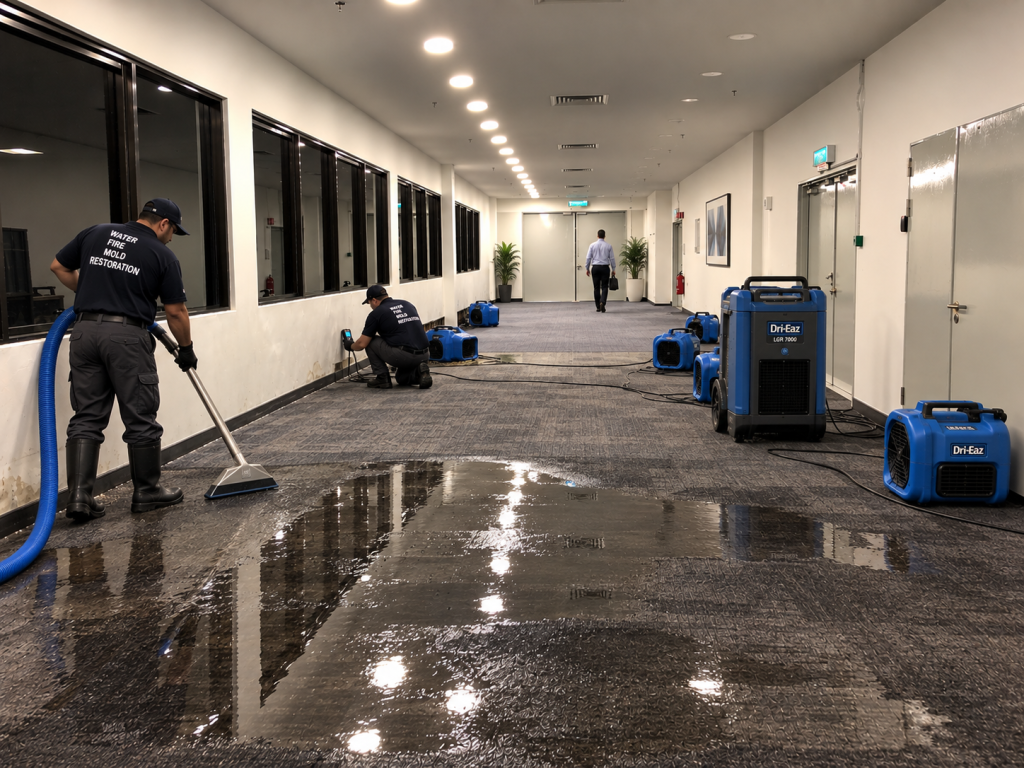
Dallas: Storm Expansion And Runoff Acceleration Pressure
Dallas continues expanding outward across enormous development corridors throughout North Texas.
Large residential communities, logistics hubs, industrial parks, healthcare systems, and commercial districts spread rapidly across former prairie land and expansive clay environments.
Stormwater systems must continuously scale alongside growth.
Drainage coordination becomes increasingly difficult.
Runoff velocity intensifies during severe weather activation.
Infrastructure stress escalates rapidly during high-volume rainfall events.
Frequent Dallas-area infrastructure stress conditions include:
- Flash-flood drainage overload
- Commercial flat-roof ponding
- Foundation movement from expansive clay
- Stormwater retention failure
- Underground utility shifting
- Parking lot flooding
- Roof uplift exposure during severe storms
- Sewer pressure during runoff surges
Large commercial surfaces dramatically accelerate stormwater movement across warehouses, retail environments, multifamily systems, and industrial corridors.
Rapid development also increases long-term variability in grading quality, drainage planning, and utility coordination beneath expanding infrastructure systems.
Expansive clay further destabilizes foundations and underground utilities as alternating drought and storm cycles repeatedly alter subsurface support conditions.
Storm-driven water intrusion frequently escalates quickly after severe weather overwhelms already stressed infrastructure.
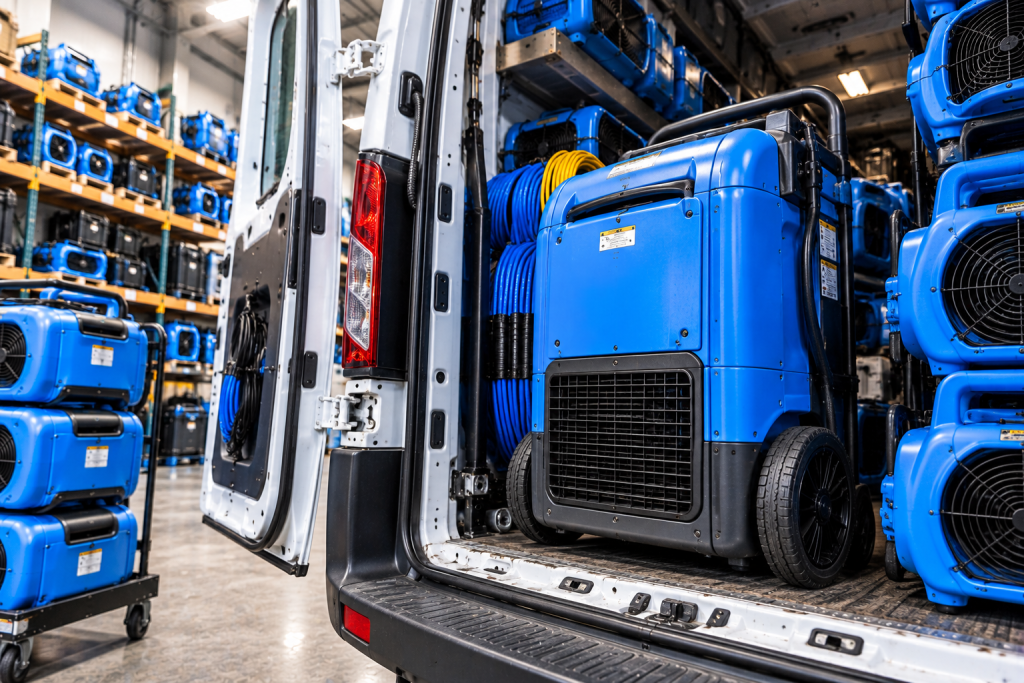
Houston: Gulf Coast Saturation And Long-Duration Moisture Pressure
Houston infrastructure operates inside a fundamentally different environmental system.
Warm Gulf moisture, elevated groundwater conditions, tropical weather exposure, and persistent humidity create continuous saturation pressure across residential, commercial, and municipal infrastructure.
Water retention remains highly influential throughout the region.
Drying cycles slow significantly.
Subsurface moisture persists longer after major rainfall events.
Common Houston-area infrastructure stress conditions include:
- Floodwater intrusion
- Foundation saturation
- Crawlspace moisture accumulation
- Roof moisture retention
- Sewer backup during tropical storms
- Mold amplification inside enclosed structures
- Corrosion around mechanical systems
- Drainage overload across flat terrain environments
Low-elevation geography further increases flood vulnerability throughout large portions of the metro region.
Heavy rainfall frequently interacts with already saturated soil systems during hurricane season and prolonged Gulf weather events.
Commercial properties remain especially vulnerable where large paved surfaces, flat roofing systems, and aging drainage infrastructure intersect with extreme rainfall intensity.
Persistent humidity also increases long-term microbial growth risk across commercial environments, healthcare facilities, multifamily systems, and industrial properties.
Water intrusion commonly develops through prolonged environmental persistence rather than sudden storm activation alone.
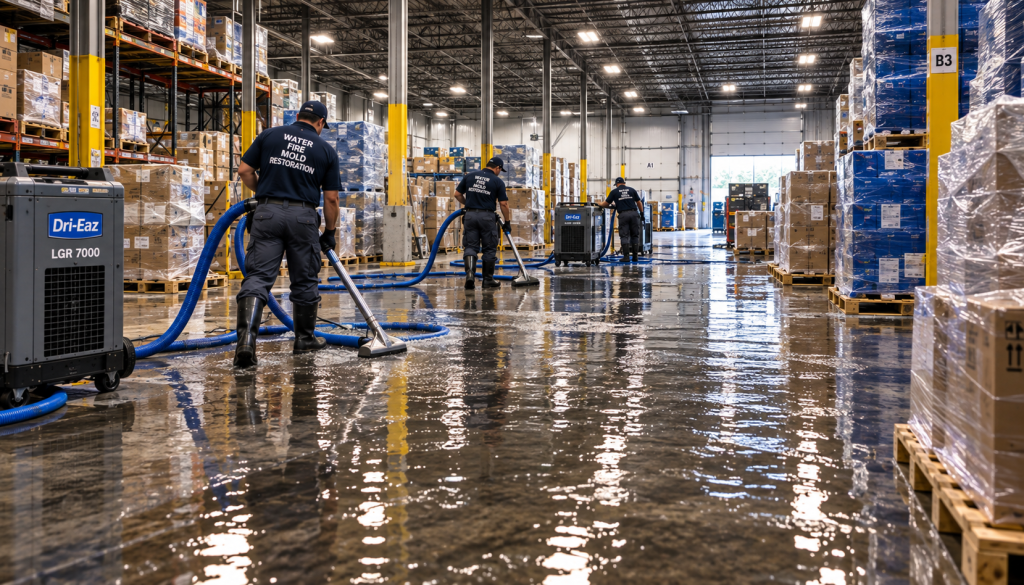
Expansion Volatility Versus Saturation Persistence
Dallas infrastructure commonly weakens through runoff acceleration and severe storm volatility tied to rapid growth pressure.
Houston systems typically deteriorate through long-duration moisture exposure and Gulf Coast saturation persistence.
North Texas stresses infrastructure through violent weather intensity and expansion-driven environmental movement.
Gulf Coast environments fatigue systems through humidity retention, groundwater pressure, and prolonged dampness.
One region overwhelms systems rapidly.
Another region saturates systems continuously over time.
Different environmental systems create different infrastructure vulnerabilities.
Commercial Water Damage And Operational Risk
Dallas commercial water damage frequently activates after severe storms overwhelm drainage systems, retention infrastructure, or heat-stressed roofing assemblies across large commercial properties.
Industrial facilities, distribution centers, office campuses, and retail corridors remain highly vulnerable during flash-flood activation and high-volume runoff events.
Stormwater movement often escalates rapidly across expansive commercial surfaces.
Houston commercial water damage commonly develops through flood exposure, roof moisture retention, drainage congestion, plumbing failures, and prolonged environmental saturation inside occupied structures.
Hotels, healthcare systems, multifamily developments, and industrial facilities remain especially vulnerable during tropical weather events and extended rainfall periods.
Operational disruption also expands more slowly under persistent humidity exposure.
Concealed moisture may continue spreading inside structural assemblies long before visible damage appears.
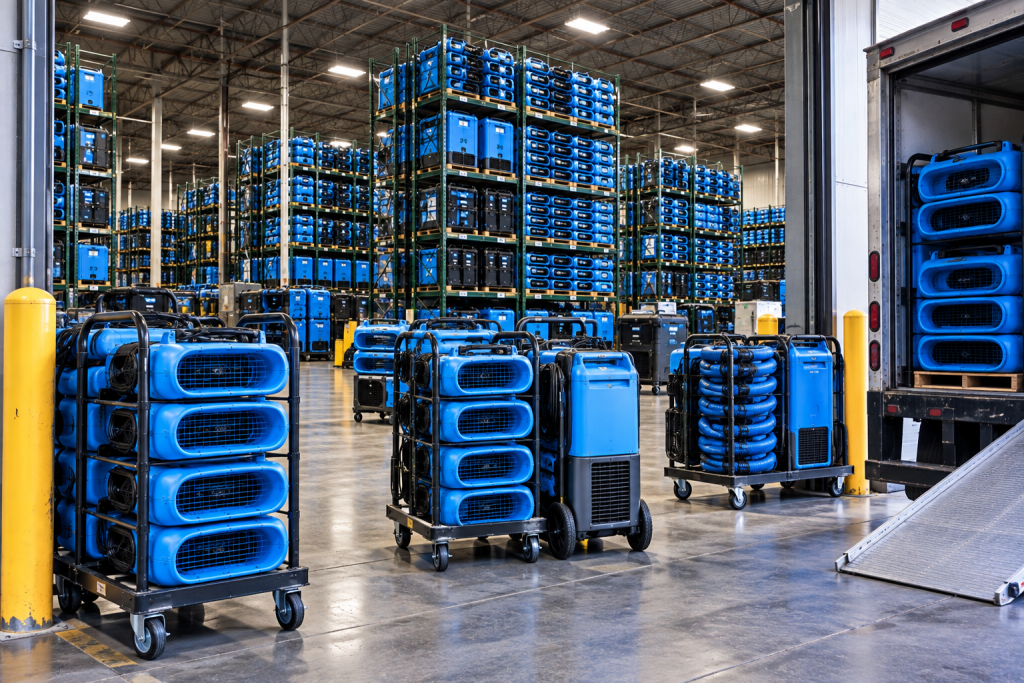
Roofing And Exterior Envelope Differences
Dallas roofing systems primarily battle hail exposure, thermal expansion, UV degradation, and severe storm uplift pressure.
Large flat commercial roofs frequently experience drainage overload during sudden weather activation.
Ponding water increases structural pressure around vulnerable penetrations, rooftop mechanical systems, and membrane transitions.
Houston roofing systems encounter prolonged humidity exposure, wind-driven rain, salt-air corrosion near coastal zones, and continuous moisture retention.
Drying cycles remain slower throughout much of the year.
Exterior envelope systems frequently absorb environmental moisture over extended periods before visible intrusion emerges inside occupied spaces.
Persistent dampness also accelerates material deterioration around waterproofing assemblies and structural penetrations.
Foundation Movement And Subsurface Pressure
Dallas foundations regularly shift due to expansive clay cycling beneath rapidly growing suburban and commercial environments.
Dry periods shrink subsurface support conditions.
Heavy storms rapidly rehydrate surrounding ground systems.
Repeated movement places stress on slabs, underground plumbing, and utility alignments.
Houston foundations confront pressure from groundwater saturation, prolonged soil moisture retention, and flood-prone subsurface conditions.
Soft Gulf Coast soils remain highly sensitive to drainage imbalance and prolonged water exposure.
Subsurface dampness frequently persists beneath structures long after surface flooding recedes.
Ground movement develops through different environmental mechanisms across each region.
Structural instability remains the shared outcome.
Utility Infrastructure And Environmental Demand
Dallas infrastructure continuously scales alongside aggressive suburban expansion and commercial development growth.
Storm activation frequently exposes coordination weaknesses developing beneath accelerated construction environments.
Drainage systems remain under constant pressure during severe weather cycles.
Houston infrastructure operates under continuous environmental demand tied to flood management, tropical weather exposure, humidity retention, and groundwater control.
Flood mitigation systems, drainage corridors, and underground utilities remain heavily stressed during prolonged Gulf Coast storm events.
Operational strain accumulates steadily beneath persistent environmental saturation conditions.
Regional Climate Shapes Infrastructure Behavior
Storm expansion systems behave differently than Gulf Coast saturation environments.
Dallas properties require resilience against runoff acceleration, severe weather aggression, expansive soil movement, and rapid development pressure.
Houston infrastructure demands flood mitigation, moisture management, corrosion resistance, drainage coordination, and long-term adaptation to persistent saturation systems.
Different climates create different commercial and residential infrastructure realities.
Failure progression always reflects the environmental systems surrounding the structure.
Regional pressure shapes infrastructure behavior long before visible damage appears.
